Imagine pouring countless hours into creating valuable content, building a loyal following on social media, or running ads, only to have an algorithm change drastically cut your reach overnight. It’s a frustrating reality for many small business owners and marketers today. You’ve built an audience, but you don’t truly *own* the connection. This common business scenario highlights a critical need: a direct, reliable way to communicate with your customers and prospects.
That’s where a robust strategy like what is email marketing comes in. It’s not just about sending out a quick message; it’s a powerful tool that puts you in direct control of your audience communication, allowing you to nurture relationships, drive sales, and build lasting customer loyalty. In this guide, we’ll break down exactly what email marketing is, why it’s an indispensable part of any digital business, how it actually works in the real world, and how even beginners can start leveraging its power for growth.
What Is Email Marketing? (The Foundational Definition)
At its heart, what is email marketing is a direct communication channel where businesses send commercial messages to a group of people who have opted in to receive them. But if you stop there, you’re missing the bigger picture. It’s far more strategic than just hitting “send” on a bulk message. Think of it as building a direct, personal bridge to your audience, a bridge you control entirely. This direct line allows you to build trust, share valuable content, promote products or services, and ultimately, drive measurable business outcomes.
Core Concept: Beyond Sending Emails
Many beginners think email marketing is just about blasting out promotions. In reality, it’s a sophisticated strategy for relationship building. It’s about delivering value, solving problems, and staying top-of-mind with your audience. A successful email marketing campaign isn’t just selling; it’s informing, educating, entertaining, and engaging. It’s about creating a conversation, not just a broadcast. This approach helps you move subscribers through your sales funnel, from curious leads to loyal customers and even brand advocates.
The Three Pillars of Email Marketing: List, Content, and Automation
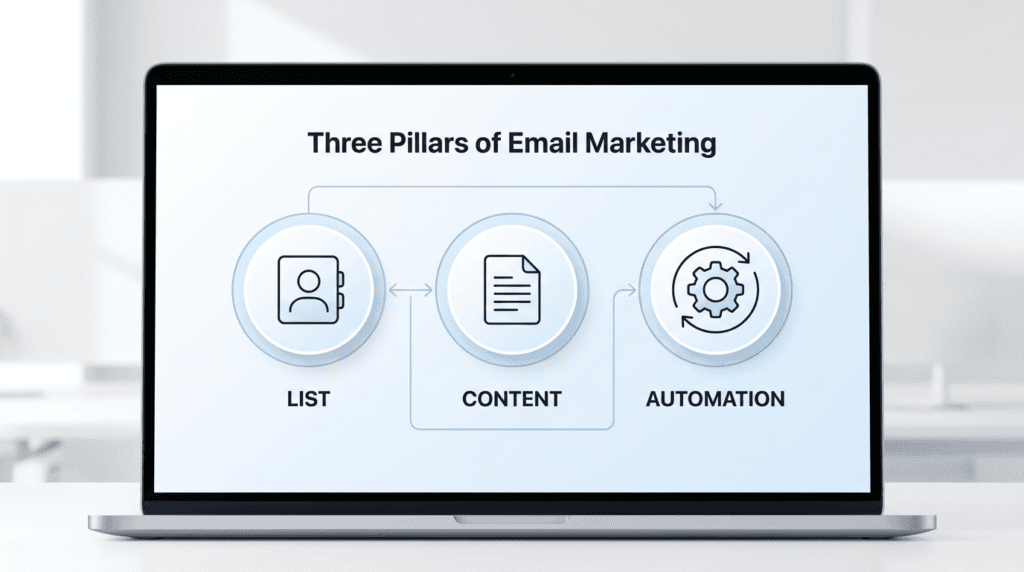
To truly understand what is email marketing, you need to grasp its three fundamental components:
- List: This is your audience – the collection of email addresses from people who have given you permission to contact them. Building a quality list of engaged subscribers is the absolute first step and ongoing priority. Without a list, you have no one to email.
- Content: This refers to the actual messages you send. It could be a weekly newsletter, a special discount, an announcement about a new product, or helpful tips. The key is that your content should be relevant, valuable, and designed to achieve a specific goal, whether it’s driving traffic to your blog or making a sale.
- Automation: This is where the magic happens. Email automation allows you to send targeted emails automatically based on specific triggers or subscriber behavior. Think welcome sequences for new sign-ups, abandoned cart reminders, or birthday greetings. Automation saves you time and ensures your audience receives timely, personalized messages without you having to manually send each one.
Owned vs. Rented Audiences: Why Email Is a Core Business Asset
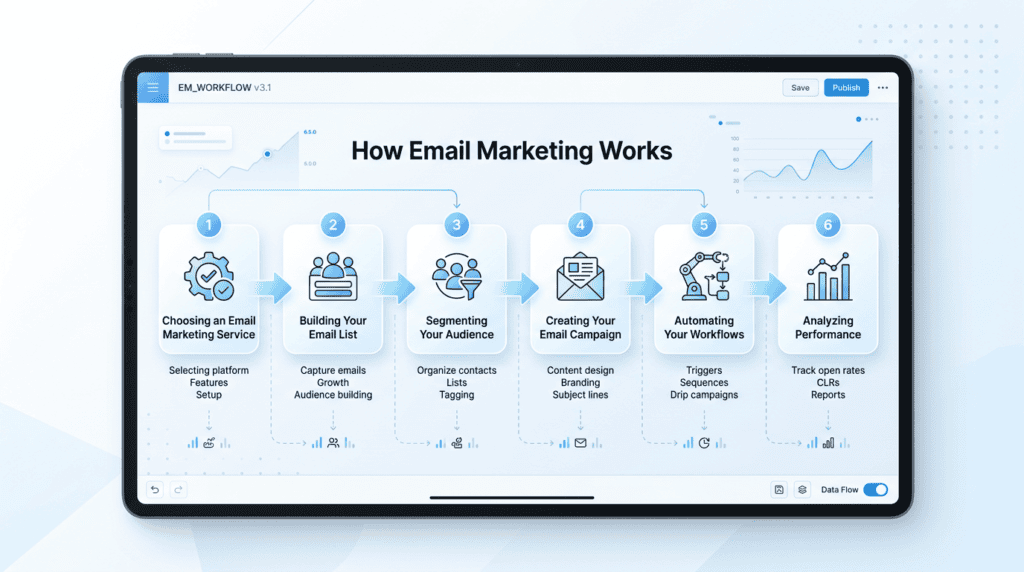
This is perhaps the most crucial distinction for anyone building an online business. When you build an audience on platforms like Facebook, Instagram, or TikTok, you’re essentially “renting” space. You don’t own those followers; the platform does. If their algorithm changes, your reach can plummet overnight. If your account gets suspended, you lose your entire audience. It’s a common, frustrating experience for many entrepreneurs.
An email list, however, is an owned asset. Once someone subscribes, you have their direct contact information. No algorithm can block your message, and no platform can take away your access to that audience. This direct line of communication is incredibly powerful. For a blogger, it means you can always notify your most engaged readers about a new post, regardless of social media visibility. For an e-commerce store, it means you can announce sales directly to past customers. Your email list is a stable, reliable foundation for your business, giving you unparalleled control and security over your customer relationships. It’s why seasoned marketers often say, “the money is in the list.”
How Email Marketing Generates ROI
The ultimate goal of any marketing effort is to generate a return on investment (ROI), and email marketing consistently delivers some of the highest ROIs in digital marketing. It’s not just about sending emails; it’s about driving tangible business results.
Here’s how a smart email marketing strategy translates into real money:
- Direct Sales: Promotional emails, product launches, and special offers directly lead to purchases.
- Lead Nurturing: Emails guide potential customers through the sales funnel, building trust and educating them until they’re ready to buy.
- Customer Retention & Loyalty: Regular, valuable communication keeps existing customers engaged, encouraging repeat purchases and fostering brand loyalty. A loyal customer is often more valuable than a new one.
- Reduced Marketing Costs: Compared to paid advertising, email marketing can be incredibly cost-effective, especially as your list grows. The cost per acquisition is often much lower.
- Increased Website Traffic: Emails can drive subscribers back to your website, blog, or product pages, boosting traffic and engagement.
- Upselling & Cross-selling: You can segment your list to offer complementary products or higher-tier services to existing customers, increasing their lifetime value.
For many businesses, email marketing isn’t just a nice-to-have; it’s a core revenue driver that offers a direct, measurable path to growth and profitability.
Why Does Email Marketing Still Matter in 2026?
In an era dominated by fleeting social media trends and ever-changing algorithms, many beginners wonder if email marketing still holds its weight. The short answer is a resounding yes. While social platforms offer visibility, email remains the bedrock of direct digital communication, offering unparalleled advantages for businesses looking to build sustainable growth. Understanding what is email marketing in today’s landscape means recognizing its enduring power as a core business asset.
Unmatched Reach and Direct Access
Unlike social media posts that might only reach a small fraction of your followers due to platform algorithms, an email lands directly in a subscriber’s inbox. This direct line of communication means you’re not at the mercy of external platforms deciding who sees your content. When you send an email, it has the potential to reach every single person on your list, assuming good deliverability. This direct access is invaluable for ensuring your most important messages, offers, and updates get seen by your target audience without interference. For any business, from a solo blogger to a growing SaaS company, this reliable channel is a critical component of a robust digital marketing strategy.
Higher Conversion Rates Than Social Media
One of the most compelling reasons for the continued relevance of email marketing is its superior conversion rates. Studies consistently show that email marketing campaigns often outperform social media in driving sales, sign-ups, and other desired actions. Why? Because email subscribers have actively opted in to hear from you, indicating a higher level of interest and intent. This permission-based marketing means your audience is more receptive to your message. When you’re trying to sell a product, promote a course, or generate leads, a well-crafted email campaign can guide prospects through the sales funnel much more effectively than a general social media post, leading to a significantly better return on investment (ROI).
Building Long-Term Customer Relationships
Email isn’t just for quick sales; it’s a powerful tool for nurturing lasting relationships with your audience. Through consistent, valuable content delivered directly to their inbox, you can build trust, establish your brand as an authority, and foster loyalty. This isn’t about a single interaction, but a continuous dialogue that deepens over time. For a course creator, this might mean sharing educational tips; for an ecommerce store, it could be personalized product recommendations. These ongoing interactions help move customers from one-time buyers to loyal advocates, increasing their customer lifetime value and creating a more stable customer base.
Full Ownership and Control of Your Audience
Perhaps the most significant advantage of an email list is that you own it. Your subscriber list is a proprietary asset that no social media platform can take away from you. If Facebook changes its rules, or Instagram experiences an outage, your ability to reach your audience on those platforms can be severely impacted or even disappear. With email, your list is yours to keep, manage, and communicate with, regardless of external platform shifts. This ownership provides a crucial layer of business resilience and independence, ensuring you always have a direct channel to your most engaged customers and prospects. It’s a fundamental aspect of what is email marketing’s strategic value.
Personalization at Scale: A Key Differentiator
Modern email marketing tools allow for an incredible level of personalization, far beyond simply addressing someone by their first name. You can segment your audience based on their interests, past purchases, engagement history, location, and more. This means you can send highly relevant content to specific groups, making each email feel tailor-made. For example, an online store can send an email about dog toys only to subscribers who have previously purchased pet supplies. This level of targeted communication dramatically increases engagement and conversion rates because recipients receive messages that genuinely matter to them. While beginners might initially struggle with setting up complex segmentation, the long-term value of personalized email content makes it an essential skill for effective email marketing.
How Email Marketing Works: A Step-by-Step Breakdown
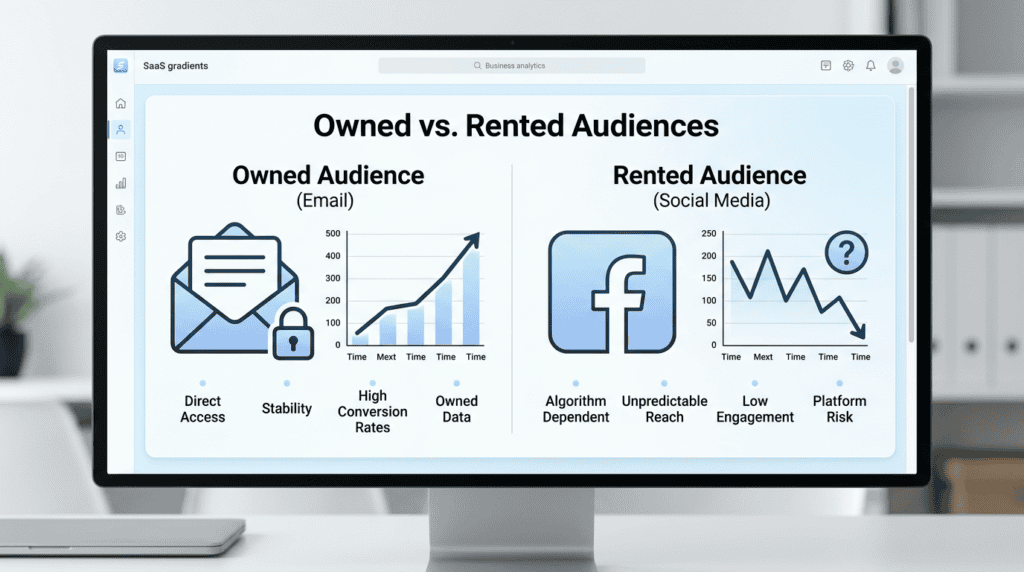
Understanding what is email marketing in practice involves a clear workflow. It’s more than just sending messages; it’s a strategic process designed to build connections and drive specific outcomes. Here’s a step-by-step breakdown of how it all comes together.
Step 1: Choosing an Email Marketing Service (Your Home Base)
The very first step in launching any email marketing strategy is selecting an Email Marketing Service Provider (ESP). Think of an ESP as your central hub for everything email-related. This software platform allows you to collect email addresses, manage your subscriber list, design emails, send campaigns, and track performance. Without an ESP, sending bulk emails would be nearly impossible and would likely land you in spam folders. For beginners, the sheer number of options can be overwhelming, but key features to look for include ease of use, automation capabilities, segmentation tools, pre-designed templates, and robust analytics. Your choice of ESP forms the technical foundation for all your future email marketing efforts.
Step 2: Building Your Email List (Lead Generation)
Once you have an ESP, the next crucial step is to start building your email list. This involves ethically collecting email addresses from people who explicitly give you permission to contact them – a practice known as permission-based marketing. Common methods for lead generation include:
- Opt-in Forms: Embedded on your website, blog, or landing pages.
- Lead Magnets: Offering valuable content (e.g., an ebook, checklist, webinar) in exchange for an email address.
- Content Upgrades: Exclusive bonus content related to a blog post, accessible only by signing up.
- Pop-ups: Timed or exit-intent pop-ups on your site.
The focus here is on quality over quantity. A smaller list of engaged subscribers who genuinely want to hear from you is far more valuable than a large list of uninterested contacts. Avoid the common misconception of buying email lists, as this often leads to poor engagement, high bounce rates, and potential legal issues.
Step 3: Segmenting Your Audience (Sending the Right Message)
Segmentation is the process of dividing your main email list into smaller, more targeted groups based on specific criteria. This step is vital because it allows you to send highly relevant messages to different parts of your audience, significantly increasing engagement and conversion rates. Instead of sending a generic email to everyone, you can tailor your content. For example, an ecommerce business might segment its list by:
- Purchase history: Customers who bought product X vs. those who bought product Y.
- Engagement level: Active openers vs. those who haven’t opened an email in months.
- Demographics: Location, age, gender (if collected).
- Interests: Based on which content they’ve clicked on or forms they’ve filled out.
The practical implication here is that relevant emails are opened more often, clicked more frequently, and lead to fewer unsubscribes. While beginners might start with basic segmentation, mastering advanced segmentation strategies becomes incredibly valuable as your list grows and your email marketing strategy matures.
Step 4: Creating Your Email Campaign (Design and Copy)
With your list built and segmented, it’s time to craft the actual email. An effective email campaign involves several key elements:
- Subject Line: The first thing recipients see; it needs to be compelling enough to encourage an open.
- Preheader Text: A short snippet that appears next to or below the subject line, offering more context.
- Body Copy: The main content of your email, written to be clear, concise, and engaging. Good email copywriting focuses on benefits and value.
- Call to Action (CTA): A clear instruction telling the reader what to do next (e.g., “Shop Now,” “Read More,” “Download Your Guide”).
- Design: Using templates provided by your ESP, ensure your email is visually appealing, on-brand, and mobile-responsive.
Many ESPs offer drag-and-drop editors and pre-built templates, making the design process accessible even for those without coding skills. The goal is to create an email that not only looks good but also effectively communicates your message and prompts the desired action. A/B testing different subject lines or CTAs can help you optimize your campaigns over time.
Step 5: Automating Your Workflows (Putting Your Strategy on Autopilot)
Email automation is where the magic of efficiency happens. It involves setting up pre-written email sequences that are automatically triggered by specific actions or events. This allows you to deliver timely and relevant messages without manual intervention, saving immense amounts of time and ensuring consistent communication. Common examples of email automation workflows include:
- Welcome Series: A sequence of emails sent to new subscribers, introducing your brand and delivering initial value.
- Abandoned Cart Emails: Sent to customers who add items to their cart but don’t complete the purchase.
- Lead Nurturing Sequences: A series of educational emails designed to guide prospects through the sales funnel.
- Re-engagement Campaigns: Sent to inactive subscribers to try and win them back.
Automating these workflows means your email marketing strategy is working for you 24/7, nurturing leads and engaging customers even while you’re focused on other aspects of your business. As your business grows, you’ll find yourself building more complex and sophisticated automation sequences to handle various customer journeys.
Step 6: Analyzing Performance (Metrics That Matter)
The final, but ongoing, step is to analyze the performance of your email campaigns. Your ESP will provide detailed analytics that offer insights into how your emails are performing. Key email marketing metrics to track include:
- Open Rate: The percentage of recipients who opened your email.
- Click-Through Rate (CTR): The percentage of recipients who clicked on a link within your email.
- Conversion Rate: The percentage of recipients who completed a desired action (e.g., made a purchase, signed up for a webinar).
- Unsubscribe Rate: The percentage of recipients who opted out of your list.
- Bounce Rate: The percentage of emails that couldn’t be delivered.
By regularly reviewing these metrics, you can understand what’s working and what isn’t. This data-driven approach allows you to continuously optimize your subject lines, content, CTAs, and segmentation strategies, leading to better results over time. For beginners, interpreting this data can be a challenge, but understanding these core metrics is essential for improving your email marketing ROI and ensuring your efforts are effective.
The Different Types of Marketing Emails (And When to Use Them)
Not all emails are created equal. Effective email marketing involves sending the right message at the right time, and that often means choosing from various types of emails, each with a distinct purpose. Knowing what is email marketing means understanding this diverse toolkit.
Welcome Emails: Making a Strong First Impression
Purpose: To greet new subscribers, confirm their subscription, set expectations for future communications, and deliver any promised lead magnets. They are your first opportunity to establish your brand’s voice and build rapport.
When to Use Them: Immediately after someone opts into your email list. This is when their interest is highest.
Who Benefits Most: All businesses. A well-crafted welcome series can significantly impact long-term engagement and customer loyalty. For a blogger, it might introduce popular content; for a SaaS company, it could offer a quick-start guide.
Practical Implication: Welcome emails typically have the highest open rates of any email type, making them critical for initial engagement. They are foundational for any email automation strategy.
Newsletters: Building Community and Brand Voice
Purpose: To share valuable content, updates, news, and insights with your audience on a regular basis. Newsletters are excellent for nurturing relationships, driving traffic back to your website, and reinforcing your brand’s authority.
When to Use Them: Regularly, such as weekly, bi-weekly, or monthly, depending on your content production schedule and audience expectations.
Who Benefits Most: Content creators, bloggers, affiliate marketers, and businesses that consistently produce valuable educational or entertaining content. They help keep your brand top-of-mind.
Practical Implication: A consistent newsletter schedule fosters loyalty and provides a reliable channel to distribute your latest articles, videos, or podcast episodes, driving engagement beyond direct sales.
Promotional Emails: Driving Sales and Special Offers
Purpose: To announce sales, new product launches, limited-time offers, discounts, or special events. These emails are designed to directly drive conversions and generate revenue.
When to Use Them: Strategically, to avoid overwhelming your audience. They should be balanced with value-driven content to prevent subscriber fatigue.
Who Benefits Most: Ecommerce stores, SaaS companies promoting new features, course creators launching new programs, and any business with products or services to sell.
Practical Implication: Promotional emails are direct revenue generators. Effective promotional campaigns often use urgency, scarcity, and clear calls to action to encourage immediate purchases or sign-ups.
Lead Nurturing Sequences: Guiding Prospects to a Decision
Purpose: To educate potential customers about your offerings, build trust, address common objections, and gradually move them closer to a purchasing decision. These sequences are designed for prospects who aren’t ready to buy immediately.
When to Use Them: After a lead has shown initial interest (e.g., downloaded a lead magnet, attended a webinar) but hasn’t yet converted into a customer.
Who Benefits Most: Businesses with longer sales cycles, such as SaaS companies, high-ticket service providers, and B2B organizations. They help convert leads into qualified prospects.
Practical Implication: Nurturing sequences automate the sales process, ensuring leads receive consistent, valuable information that addresses their pain points and highlights your solution, ultimately improving conversion rates over time.
Abandoned Cart Emails: Recovering Lost Revenue for Ecommerce
Purpose: To remind customers about items they’ve left in their online shopping cart and encourage them to complete their purchase. These emails often include images of the abandoned items and a direct link back to the cart.
When to Use Them: Typically sent in a series, starting shortly after a cart is abandoned (e.g., 1 hour, 24 hours, 3 days). Some may include incentives like free shipping or a small discount.
Who Benefits Most: Ecommerce businesses. This is one of the highest ROI email campaigns for online retailers.
Practical Implication: Abandoned cart emails are incredibly effective at recovering lost sales, directly impacting your bottom line. They address buyer psychology by providing a gentle nudge and removing potential friction points.
Transactional Emails: Order Confirmations and Shipping Updates
Purpose: To provide essential information related to a specific transaction or action taken by the user. These are not marketing emails in the traditional sense, but they are crucial for customer experience and trust.
When to Use Them: Immediately after a customer completes an action, such as making a purchase, resetting a password, or signing up for an account.
Who Benefits Most: Any business that processes online transactions or requires user account management.
Practical Implication: Customers expect these emails, and they typically have very high open rates. While their primary goal is informational, they also offer an opportunity to subtly reinforce branding and provide excellent customer service.
Building Your First Email List: Practical Strategies for Beginners
For anyone diving into what is email marketing, building an email list is often the first big challenge. It’s not just about collecting email addresses; it’s about attracting people who genuinely want to hear from you. Think of it as building a community, not just a database. The goal is quality over quantity, especially when you’re just starting out.
Creating a Compelling Lead Magnet (e.g., Checklist, Guide, Template)
A lead magnet is simply something valuable you offer for free in exchange for an email address. It’s the cornerstone of effective list building and a key part of any successful email marketing strategy. For beginners, the idea of creating something “compelling” can feel daunting, but it doesn’t have to be complex.
Why it matters: People are protective of their inboxes. You need to give them a clear, immediate reason to opt-in. A good lead magnet solves a specific problem or offers a quick win for your target audience.
Practical implications:
- For bloggers: A checklist for “SEO basics” or a mini-guide on “how to write a catchy blog post title.”
- For e-commerce stores: A discount code (though less of a “magnet,” it’s an incentive), or a guide like “5 ways to style our new collection.”
- For SaaS founders: A free template for a project brief or a short video tutorial on a specific feature.
The best lead magnets are highly relevant to your business and the content you’ll send later. Don’t just create something generic; make it truly useful for the people you want to attract.
Designing High-Converting Opt-in Forms
Once you have your lead magnet, you need a way for people to get it. That’s where opt-in forms come in. These are the digital gateways to your email list. Many beginners get caught up in making them look flashy, but clarity and a strong value proposition are far more important.
What works:
- Clear headline: State exactly what they’ll get.
- Benefit-driven copy: Explain *why* they need it.
- Minimal fields: Usually just an email address, maybe a first name. The more fields, the lower your conversion rate.
- Prominent call-to-action (CTA): A button that clearly says “Get Your Free Guide” or “Download Now.”
What beginners struggle with: Overthinking the design or making the form too long. Keep it simple, focused, and emphasize the value. Test different versions to see what resonates best with your audience.
Placing Forms on Your Website: Pop-ups, Banners, and Embedded Forms
Where you place your opt-in forms can significantly impact your subscriber list growth. Each placement has its pros and cons, and a good email marketing strategy often uses a mix.
- Pop-ups: These appear over your content, often after a certain time delay or when a user intends to leave (exit-intent pop-ups). They can be highly effective but also annoying if overused. Use them sparingly and ensure they’re easy to close.
- Banners: Usually appear at the top or bottom of your website. Less intrusive than pop-ups, they’re a good way to keep your offer visible without interrupting the user experience.
- Embedded forms: These live directly within your content, like at the end of a blog post, in your sidebar, or on a dedicated “subscribe” page. They’re great for capturing engaged readers who’ve already found value in your content.
Trade-offs: While pop-ups can generate more leads, they can also hurt user experience if not implemented carefully. Embedded forms might have lower conversion rates but attract highly engaged subscribers. It’s about finding the right balance for your site and audience.
Understanding and Complying with Email Regulations (CAN-SPAM, GDPR)
This isn’t the most exciting part of what is email marketing, but it’s absolutely critical. Ignoring email regulations can lead to hefty fines, damaged sender reputation, and deliverability issues.
- CAN-SPAM Act (USA): Requires you to include your physical address, provide a clear unsubscribe link, and accurately identify yourself as the sender. It also prohibits misleading subject lines and requires you to honor opt-out requests promptly.
- GDPR (Europe): This is stricter, requiring explicit consent for data collection and processing. You need to clearly state what data you’re collecting, why, and how long you’ll keep it. Double opt-in (where subscribers confirm their email address after signing up) is highly recommended for GDPR compliance.
Practical implications: Always use permission-based marketing. Never buy email lists. Make sure your email service provider (ESP) helps you stay compliant by including necessary footers and managing unsubscribe requests. While it might seem like a hassle, compliance protects both you and your subscribers, fostering trust and improving your email deliverability.
Key Email Marketing Metrics: How to Measure Success
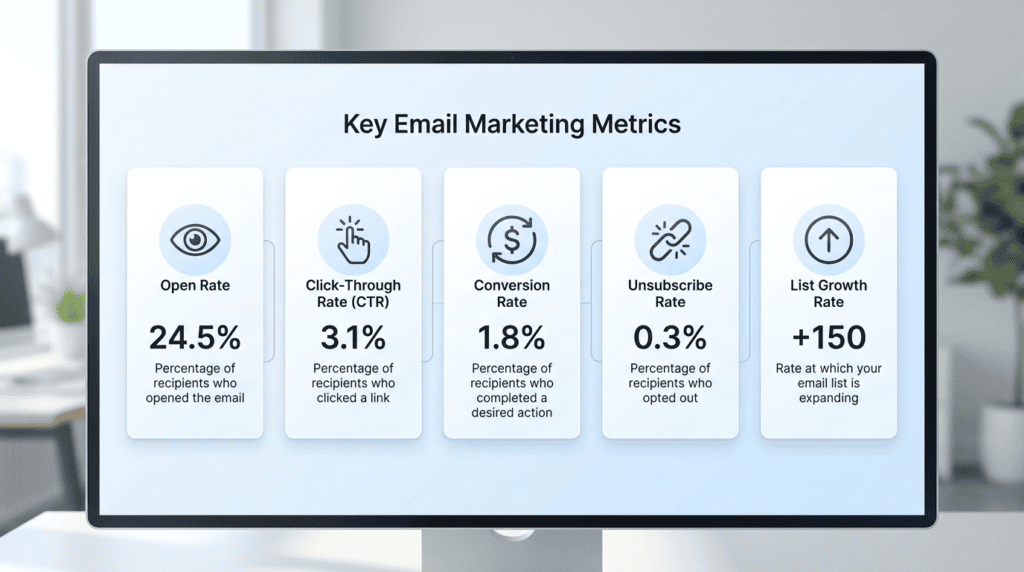
Understanding what is email marketing isn’t just about sending emails; it’s about knowing if those emails are actually working. This means diving into your email marketing metrics. These numbers tell you how your campaigns are performing and where you can improve. Don’t just look at the raw numbers; understand what they *mean* for your overall email marketing strategy.
Open Rate: Is Your Subject Line Working?
Your open rate is the percentage of people who opened your email out of those who received it. It’s often the first indicator of how well your email is performing.
Why it matters: A high open rate suggests your subject line is compelling, your sender name is recognizable, and your audience trusts you. If people aren’t opening your emails, they can’t engage with your content or take action.
Practical implications:
- Subject line optimization: Test different subject lines to see what gets more opens. Use emojis, ask questions, create curiosity, or highlight a clear benefit.
- Sender name: Make sure your “From” name is clear and consistent. People are more likely to open emails from a familiar source.
- Preheader text: This short snippet of text appears next to or below your subject line in the inbox. Use it to expand on your subject line and entice opens.
A typical good open rate varies by industry, but aiming for 20-30% is a solid start for many businesses.
Click-Through Rate (CTR): Is Your Content Engaging?
The click-through rate (CTR) measures the percentage of people who clicked on a link within your email out of those who opened it. This metric is a strong indicator of how engaging and relevant your email content is.
Why it matters: A high CTR means your email copy, design, and call-to-action (CTA) are effective at driving subscribers to take the next step, whether that’s visiting a product page, reading a blog post, or downloading a resource.
Practical implications:
- Clear CTAs: Make your call-to-action prominent and easy to find. Use buttons instead of just text links.
- Compelling copy: Your email content should build anticipation and clearly explain the benefit of clicking.
- Relevant content: Ensure the content of your email directly relates to the link you’re asking them to click.
- Email design: A clean, easy-to-read design with good visual hierarchy can guide the reader’s eye to the CTA.
If your open rates are good but your CTR is low, it’s a sign that your subject line is working, but your email’s body content or CTA needs improvement.
Conversion Rate: Is Your Email Driving Action?
Your conversion rate measures the percentage of people who completed a desired action after clicking a link in your email. This could be making a purchase, signing up for a webinar, downloading an ebook, or filling out a form.
Why it matters: This is often the ultimate metric for measuring the ROI of your email marketing campaigns. It tells you if your emails are not just getting opened and clicked, but actually driving tangible business results.
Practical implications:
- Align email with landing page: Ensure a seamless experience from email to the destination page. The messaging and offer should be consistent.
- Strong value proposition: Clearly articulate the benefit of converting, both in the email and on the landing page.
- Simplify the conversion process: Reduce friction on your landing page. For example, minimize form fields for sign-ups.
For many businesses, a conversion rate of 1-5% from email clicks is considered good, but this can vary widely based on your industry and the specific action you’re tracking.
Unsubscribe Rate: Are You Meeting Audience Expectations?
The unsubscribe rate is the percentage of subscribers who opted out of your email list after receiving a particular email. While it’s natural to see some unsubscribes, a consistently high rate signals a problem.
Why it matters: A rising unsubscribe rate indicates that your content isn’t meeting your audience’s expectations, you’re sending too frequently, or your segmentation isn’t effective. It’s a crucial metric for maintaining a healthy email list.
Practical implications:
- Content relevance: Ensure your emails deliver on the promises made when people signed up.
- Sending frequency: Find the right balance. Too many emails can overwhelm, too few can lead to people forgetting you.
- Segmentation: Sending targeted content to specific segments of your audience can drastically reduce unsubscribes by ensuring relevance.
- Clean up your list: Sometimes, a higher unsubscribe rate means your list is getting healthier by shedding disengaged subscribers. Don’t be afraid of it entirely.
List Growth Rate: Is Your Audience Expanding?
Your list growth rate measures how quickly your email list is expanding over a given period. It’s calculated by taking new subscribers minus unsubscribes and bounces, divided by your total list size.
Why it matters: Consistent subscriber list growth is essential for the long-term success of your email marketing efforts. A growing list means you have a larger audience to reach with your messages, increasing your potential for engagement and conversions.
Practical implications:
- Ongoing lead generation: Regularly promote your lead magnets and opt-in forms across your website, social media, and other channels.
- Referral programs: Encourage existing subscribers to share your content or invite friends.
- Content marketing: Create valuable content that naturally attracts new leads who are interested in what you offer.
Monitoring this metric helps you understand if your list-building strategies are effective and if your overall email marketing strategy is sustainable.
Common Beginner Mistakes in Email Marketing (And How to Avoid Them)
Even with a clear understanding of what is email marketing, beginners often stumble into common pitfalls. Learning from these mistakes early on can save you a lot of frustration, time, and potential damage to your brand and deliverability. This section offers an honest look at what to avoid.
Mistake 1: Buying Email Lists (And Why It’s a Terrible Idea)
This is perhaps the biggest and most damaging mistake a beginner can make. The temptation for quick list growth can be strong, but buying email lists is a shortcut to disaster.
Why it’s bad:
- Deliverability issues: Reputable email service providers (ESPs) have strict anti-spam policies. Sending to purchased lists often results in high bounce rates and spam complaints, which can get your account suspended or even banned.
- Low engagement: These people didn’t opt-in to hear from you. They’re unlikely to open, click, or convert, leading to abysmal email marketing metrics.
- Legal risks: Sending unsolicited emails can violate CAN-SPAM, GDPR, and other privacy laws, leading to hefty fines.
- Damaged sender reputation: Your sender reputation is crucial for deliverability. Sending to a bad list will quickly flag you as a spammer, making it harder for your legitimate emails to reach the inbox.
Practical implications: Always build your email list organically through opt-in forms and lead magnets. It takes more time, but it ensures you’re reaching an engaged audience who *wants* your content.
Mistake 2: Sending Without a Clear Goal or Call-to-Action
Many beginners just send emails because they feel they “should.” They might share an update or a new blog post without thinking about the email’s purpose. This leads to ineffective campaigns.
Why it’s bad: If you don’t know what you want your subscribers to do, they won’t either. Emails without a clear goal often get ignored or deleted, leading to low click-through and conversion rates.
Workflow implications: Before you even start writing an email, ask yourself: “What is the single most important action I want my reader to take after opening this email?” Whether it’s to read a blog post, buy a product, or sign up for an event, make that goal crystal clear.
Practical implications: Every email should have one primary call-to-action (CTA). While you can have secondary links, the main focus should be obvious. This helps guide your copywriting and design, making your emails far more effective.
Mistake 3: Ignoring Mobile Design and Readability
With most people checking their emails on smartphones, neglecting mobile optimization is a critical error. An email that looks great on a desktop but is unreadable on a phone will quickly be deleted.
Why it’s bad: A poor mobile experience frustrates subscribers, leading to low engagement, high delete rates, and even unsubscribes. If your email is hard to read, people won’t bother trying.
Practical implications:
- Responsive templates: Most modern email service providers offer responsive templates that automatically adjust to different screen sizes. Always use them.
- Short paragraphs: Break up your text into small, digestible chunks.
- Large, tappable buttons: Make sure your CTAs are easy to tap with a thumb.
- Single-column layout: This is generally best for mobile readability.
- Test, test, test: Always preview your emails on various devices before sending.
What most marketing pages ignore is how often emails *still* look bad on real devices, even with responsive design. Always double-check.
Mistake 4: Failing to Segment and Personalize Your Messages
Sending the same generic email to everyone on your list is like shouting into a crowd – some might hear you, but most won’t feel like you’re talking to them. This is where email list segmentation and personalization come in.
Why it’s bad: Irrelevant content is a fast track to disengagement. If subscribers constantly receive emails that don’t apply to them, they’ll stop opening your messages or, worse, unsubscribe.
Why it matters: Segmentation allows you to send targeted messages to specific groups based on their interests, demographics, purchase history, or behavior. Personalization goes a step further by using their name or referencing their past actions. This makes your emails feel more relevant and valuable.
What gets easier over time: As your list grows and you gather more data, advanced segmentation becomes much easier. Start simple (e.g., segment by interest, new vs. existing customer) and build from there. This is a core component of a sophisticated email marketing strategy.
Mistake 5: Inconsistent Sending Schedule
Imagine a TV show you love that airs at random times. You’d probably miss episodes and eventually stop tuning in. The same applies to your email marketing.
Why it’s bad: An inconsistent sending schedule can lead to subscribers forgetting who you are, lower open rates, and a lack of trust. If they don’t know when to expect your emails, they’re less likely to look forward to them or even notice them.
Practical implications:
- Set expectations: When people sign up, tell them how often you’ll email them (e.g., “weekly newsletter,” “monthly updates”).
- Stick to a rhythm: Whether it’s once a week, twice a month, or daily, try to maintain a consistent schedule. This builds anticipation and helps your emails become a regular part of your subscribers’ routine.
- Don’t overdo it: While consistency is good, don’t feel pressured to send emails just for the sake of it. Quality always trumps quantity.
Finding the right balance for your audience and content is key to maintaining engagement and building a loyal subscriber base.
Getting Started: Your First 30 Days in Email Marketing
Moving from understanding to action is crucial for email marketing success. This 30-day roadmap synthesizes the strategies and insights discussed throughout this guide into a clear, actionable plan, empowering you to launch your email marketing efforts effectively.
Week 1: Choose Your Platform and Set Up Your Account
Your first step is to select an email marketing service (EMS) that aligns with your budget and needs. Once chosen, dedicate this week to setting up your account. This involves creating your profile, configuring basic settings, and familiarizing yourself with the platform’s dashboard and features. Understanding the layout will make subsequent steps much smoother.
Week 2: Create Your First Lead Magnet and Opt-in Form
Building on the principles of “Creating a Compelling Lead Magnet” and “Designing High-Converting Opt-in Forms” from earlier sections, this week focuses on execution. Develop your first valuable lead magnet – perhaps a simple checklist or guide related to your niche. Then, design and integrate your opt-in form directly into your website or landing page, ensuring it’s prominently placed and easy for visitors to find and use.
Week 3: Write and Design Your Welcome Email Sequence
With your lead magnet and opt-in form ready, it’s time to craft the initial experience for new subscribers. Design a short welcome email sequence (typically 1-3 emails) that automatically sends when someone signs up. The first email should deliver your lead magnet and set expectations for future communications. Remember to personalize these messages where possible, avoiding the mistake of “Failing to Segment and Personalize Your Messages” discussed previously, to make a strong first impression.
Week 4: Send Your First Newsletter and Analyze the Results
This is the week you send your first broadcast email to your growing list. Choose a relevant topic, craft an engaging subject line (keeping “Open Rate” in mind), and ensure your content has a clear goal or call-to-action, avoiding the pitfall of “Sending Without a Clear Goal.” Before sending, double-check its mobile design and readability. After sending, immediately dive into your EMS analytics to review key email marketing metrics like open rate, click-through rate, and conversion rate. Use these insights to refine your strategy for future campaigns.
Final Thoughts: Email Marketing as a Growth Engine

Throughout this guide, we’ve explored the foundational elements of building an email list, measuring success, and avoiding common pitfalls. The overarching takeaway is clear: email marketing is far more than just sending messages; it’s a fundamental engine for sustainable business growth. By nurturing direct relationships with your audience, delivering consistent value, and understanding their needs, you transform a simple communication channel into a powerful tool for customer loyalty, sales, and long-term success. The journey starts with that first step – choose your platform, build your list, and begin connecting.
Frequently Asked Questions (FAQs)
How much does email marketing cost for a beginner?
Many email marketing services offer free tiers for beginners with small lists, allowing you to start without upfront costs, while paid plans typically scale with the number of subscribers or advanced features.
Which is the best free email marketing service to start with?
There isn’t a single “best,” as suitability depends on your specific needs, but popular choices for beginners often include Mailchimp, MailerLite, and