

Let’s be real for a second. When you’re starting your first site, the idea of a Cheap Web Host feels like a win. Why pay more if you can get online for just a few dollars a month?
From my research, most beginners in the US search for cheap hosting because they don’t want to waste money before they even know if their site will work. And honestly, that makes sense.
But here’s the thing. Cheap doesn’t always mean good. Sometimes it works. Sometimes it turns into a headache.
This guide will help you figure out if a cheap web host is really worth it for your website, what risks come with low-cost hosting, and when it’s smarter to spend a little more.
If you’re building a WordPress site, a blog, or a small business website, this decision matters more than it looks.
Introduction – Why Cheap Hosting Is So Tempting

Why do beginners in the US look for cheap hosting first?
From what I’ve seen, it usually comes down to three things:
- You want to keep costs low
- You’re not sure your site will succeed
- You don’t want to overcommit early
A cheap web host feels like a safe entry point. Low risk. Easy start.
This guide will help you decide:
- What cheap hosting really offers
- What it hides
- And whether it’s the right choice for your goals
Let’s keep it simple. Cheap hosting can work. But not for every site.
What Is a Cheap Web Host?

So what does “cheap” really mean in web hosting?
In most cases, a cheap web host offers hosting plans in the range of:
- $1 to $4 per month as an intro price
These are usually shared hosting plans, where your site shares resources with many others on the same server.
Typical features of a cheap hosting plan:
- Shared hosting environment
- Limited storage and bandwidth
- Basic email hosting
- One-click WordPress installation
- Tight resource limits
Many cheap web hosting plans advertise big discounts for the first term. Then the renewal jumps. That’s the true cost of cheap hosting most beginners don’t notice at first.
From my research, many cheap webhosts look great on the signup page. The details show up later.
Why Cheap Web Hosting Looks Attractive
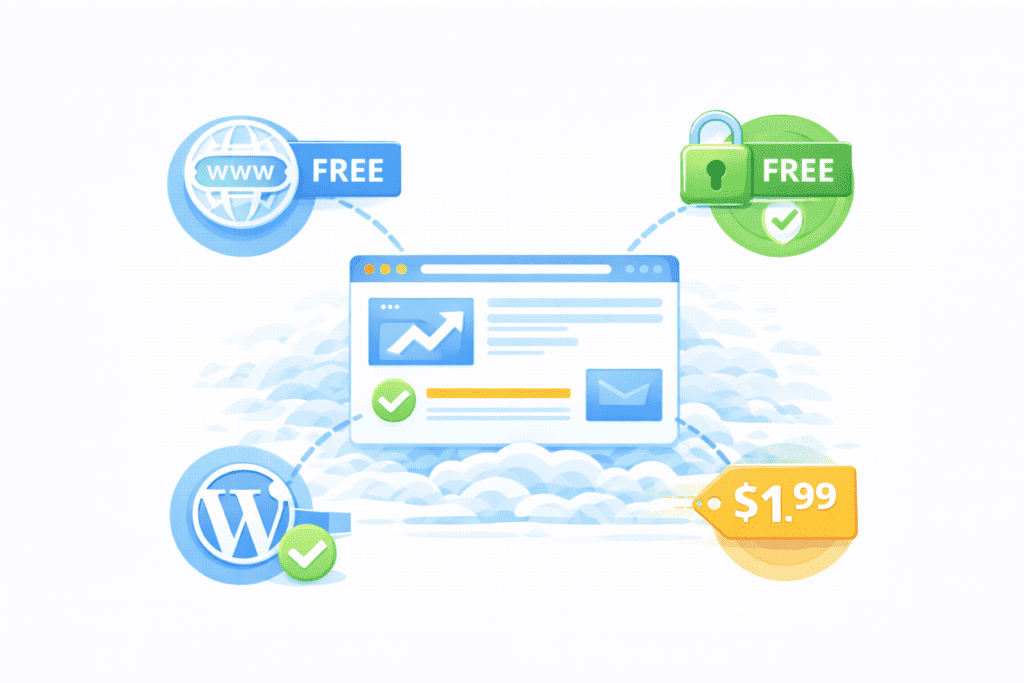
Now let’s talk about why cheap hosting feels so appealing.
Low upfront cost
This is the biggest incentive for a cheap plan. You can start for the price of a coffee. For a beginner or small business owner, that feels safe.
Free extras and promos
Many hosting companies throw in:
- Free domain for the first year
- Free SSL
- Email hosting
It sounds like you’re getting everything for almost nothing.
Easy entry for beginners
Most cheap hosts offer simple dashboards and WordPress setup. You can launch a WordPress site fast without learning much.
Here’s what I noticed. For personal projects, testing ideas, or learning WordPress, cheap hosting can feel like the perfect door in.
And in some cases, it is.
But cheap hosting may also come with trade-offs. We’ll get into the real risks in the next part.
The Real Risks of Cheap Web Hosting
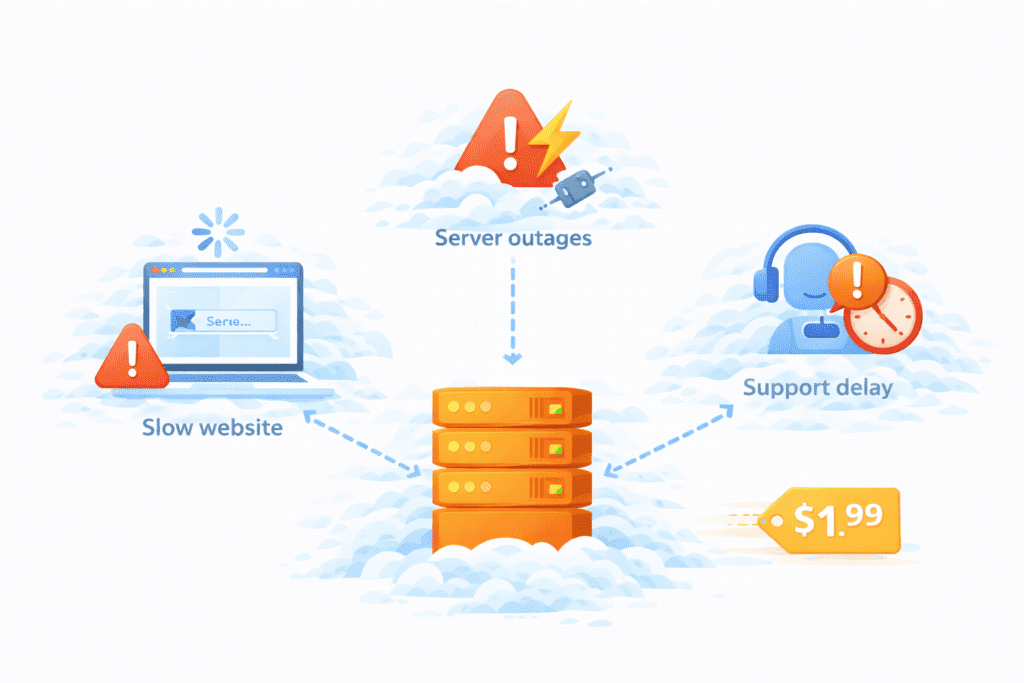
Now this is where things get real. A cheap web host can look great at signup, but the problems often show up later.
Slow performance
Most cheap hosting runs on crowded shared hosting servers. When many sites fight for resources, your WordPress site can slow down. Page speed drops, and users feel it.
From my research, many cheap webhosts struggle during busy hours.
Poor uptime
Cheap hosting plans may not invest much in infrastructure. That means more outages. When your site goes down, visitors can’t reach it. For a small business, that’s risky.
Limited support
Low-cost plans usually mean basic or slow support. If your WordPress installation breaks at night, you may wait hours for help.
Hidden renewal costs
That $1.99 deal often jumps to $7–$12 later. The true cost of cheap hosting shows up at renewal time.
Security limitations
Cheap hosting may cut corners on backups and protection. Even fairly simple hosting issues can turn serious if there’s no safety net.
Here’s what I noticed. Cheap hosting isn’t always bad hosting. But the risk is higher.
How Cheap Hosting Can Affect US Websites

Let’s talk about what these risks mean for real US sites.
User experience
Slow sites frustrate users. If pages take too long, people leave. That hurts trust fast.
SEO and rankings
Search engines favor faster, stable sites. Slow speed and downtime from bad hosting can hurt visibility.
Trust and conversions
For business owners, trust matters. A site that feels unreliable doesn’t convert visitors into customers.
From my research, many small business owners in the US start with cheap hosting, then upgrade once traffic grows. That’s common.
But if your site is customer-facing, these issues matter from day one.
When Cheap Web Hosting Might Be Worth It

So is cheap hosting ever really worth it?
Yes, in some cases.
Personal projects
If you’re building a hobby blog or testing ideas, a cheap web host can be enough.
Testing and learning
Learning WordPress? Trying web development? Cheap hosting is a low-risk way to practice.
Very small sites
If traffic is low and the site isn’t critical, cheap hosting may work fine.
From my view, cheap hosting is useful when the site won’t hurt you if it’s slow or offline once in a while.
In these cases, choosing a cheap hosting plan makes sense.
But when your site starts to matter more, cheap hosting may stop being a good fit.
When Cheap Web Hosting Is NOT Worth It
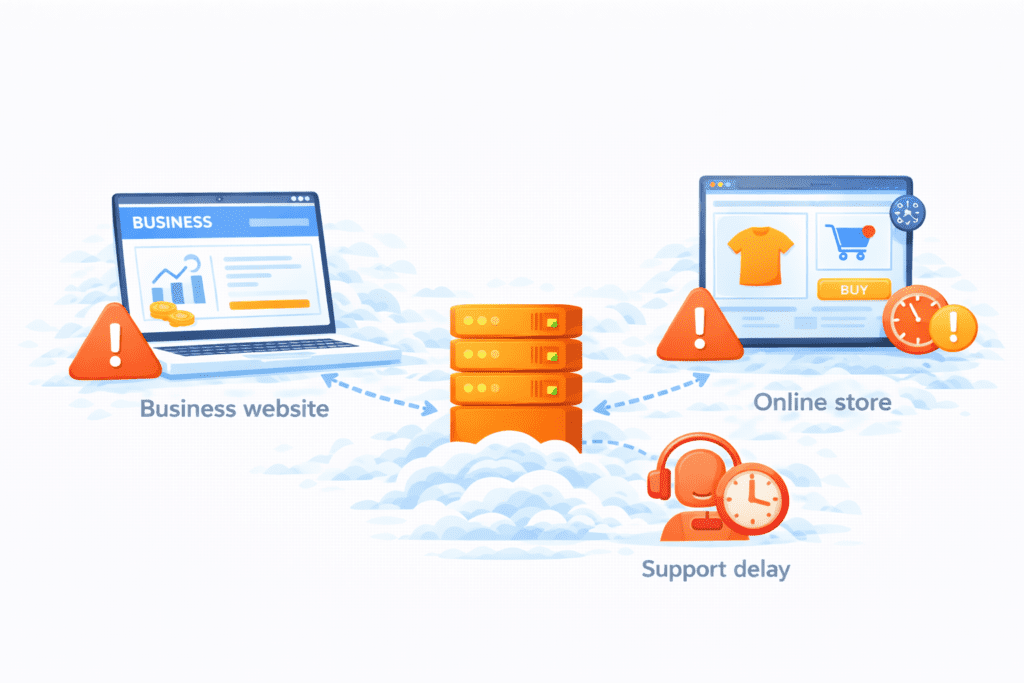
Now let’s flip the coin. There are times when a cheap web host just isn’t the right choice.
Business websites
If your site represents your small business, slow speed or downtime can hurt your reputation. Business owners who want steady leads usually need more reliable hosting.
E-commerce stores
Selling online? Cheap hosting is risky. Even short outages can cost sales. You need better performance and security.
Growing blogs
If traffic is rising, cheap hosting may not keep up. Shared hosting can struggle when many users visit at once.
Brand-focused sites
If your site is your brand, cheap hosting can make it feel unprofessional.
Here’s the thing. For serious projects, cheap web hosting really worth it? In most cases, no.
What to Look for in a Cheap Web Host
If you still want to use a cheap web host, be smart about it.
Here’s what to look for:
US server locations
Pick a hosting provider with servers in the US. This helps speed for US visitors.
Acceptable speed and uptime
Look for clear uptime promises and decent performance reviews.
Transparent pricing
Check renewal rates. The cheapest hosting upfront may not be cheapest long term.
Decent support
Even cheap plans should offer 24/7 chat or tickets.
Upgrade options
Make sure you can move to better hosting later, like hosting to vps or cloud plans.
From my research, the best cheap hosting providers clearly show limits and upgrade paths.
Cheap Hosting vs Mid-Range Hosting
So how does cheap hosting compare to mid-range options?
Cost comparison
Cheap hosting: $1–$4/month intro
Mid-range hosting: $6–$15/month
Mid-range costs more, but usually stays more stable at renewal.
Feature differences
Cheap hosting often includes:
- Shared hosting only
- Basic backups
- Limited support
Mid-range hosting may include:
- Better backups
- More resources
- Managed hosting options
- Faster WordPress performance
Performance trade-offs
Mid-range hosting usually gives better performance than shared hosting. That means faster sites and fewer issues.
From my view, better hosting often saves time and stress later.
Cheap hosting can get you online. Mid-range hosting helps you grow.
Best Use Cases for Cheap Web Hosting
So who should actually choose a cheap web host?
Who should choose it
Cheap hosting works best for:
- Beginners testing ideas
- Hobby blogs
- Learning WordPress
- Personal projects with low traffic
If the site will be at best a simple project, cheap hosting can do the job.
Who should avoid it
Avoid cheap web hosting if you run:
- A small business website
- An online store
- A serious blog
- Any site where uptime and trust matter
Business owners who want steady growth usually outgrow cheap plans fast.
From my research, many web users start cheap, then upgrade once they see results.
Common Mistakes Beginners Make With Cheap Hosts
Here’s what I see all the time.
Choosing only by price
The cheapest hosting isn’t always the best cheap. Look at reviews and features too.
Ignoring renewal rates
That low price won’t last. Always check the real hosting costs.
Overloading cheap plans
Installing too many plugins on a WordPress site can slow things down fast.
Skipping backups
Some cheap plans don’t include regular backups of your website. That’s risky.
Expecting premium results
Cheap hosting can’t deliver excellent hosting performance. It’s built for basics.
These mistakes don’t always break a site, but they can make things harder than needed.
FAQs – Cheap Web Hosting
Is cheap hosting safe?
It can be, if you pick a decent hosting provider and keep WordPress up to date.
Can cheap hosting rank in Google?
Yes. But slow speed and downtime can make it harder.
How cheap is too cheap?
If it’s free web hosting or under $1/month, be careful. There’s usually a catch.
Can I upgrade later?
Most hosts let you move to better hosting, like managed hosting or vps hosting.
What Should You Do Next If You’re Considering Cheap Hosting?

Before you sign up, slow down and do this:
- Define your website goal
- Compare cheap hosting plans
- Read reviews about uptime and support
- Check renewal pricing
- Make sure upgrades are available
From my view, spending 30 extra minutes here can save months of trouble later.
Final Thoughts
Here’s the balanced takeaway for US beginners.
A cheap web host can be a smart starting point. It helps you get online fast without big risk. For learning and testing, cheap hosting is often enough.
But for business, growth, and brand trust, cheap hosting usually isn’t really worth it long term.
Personally, I feel cheap hosting is like renting a tiny apartment. It’s fine to start. But if your family grows, you’ll want more space.
So if you’re just starting, choose a cheap web host carefully. And when your site grows, don’t be afraid to move to better hosting.
That’s usually the smartest path forward.