

Is your hosting actually helping you make money, or just keeping your site online?
That’s the real question most people never ask when starting affiliate marketing.
They focus on niches, keywords, and content. But they forget one thing that quietly controls everything.
And that’s why finding the best web hosting providers for affiliate marketing matters more in 2026 than it ever did before.
Why Choosing the Best Web Hosting Providers for Affiliate Marketing Matters in 2026

Most people start affiliate marketing with a simple idea.
Pick a niche.
Write content.
Add affiliate links.
Wait for commissions.
Sounds easy.
But in reality, your web host decides whether any of that works long-term.
In 2026, search engines care more about page speed, uptime, user experience, and site reliability.
If your hosting is slow or unstable, your rankings drop.
If your site goes down, your commissions stop.
That’s why choosing the best web hosting providers for affiliate marketing isn’t a technical detail. It’s a business decision.
A lot of beginners believe all hosting is the same.
It isn’t.
Some hosting providers are built for personal blogs, small hobby sites, or low-traffic projects.
Affiliate websites are different.
They need to load fast.
They need to stay online.
They need to scale as traffic grows.
So this guide helps you decide which hosting actually supports income growth, not just site existence.
Beginner-Friendly Explanation of What Web Hosting Actually Is
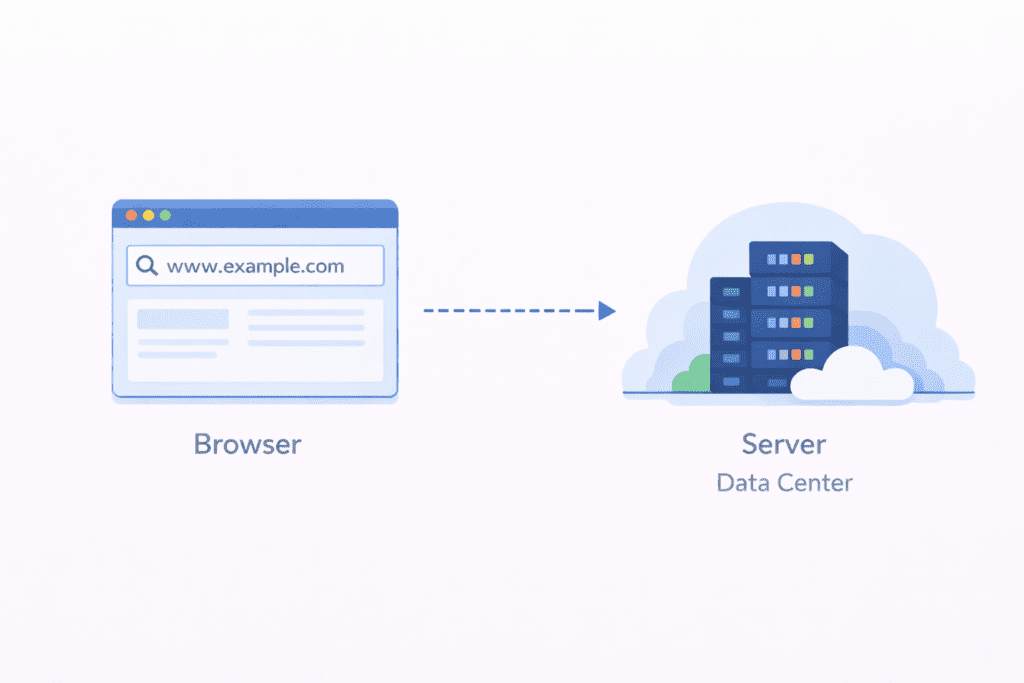
Web hosting is simply the service that keeps your website online.
Your files live on a server, owned by a hosting provider, inside a data center.
When someone clicks your affiliate link or visits your page, the server sends your site to their browser.
That’s the basic idea.
But here’s what most people miss.
Different hosting plans give you different levels of speed, security, reliability, and resource limits.
And those directly affect how your affiliate marketing website performs.
For example, a slow server means slower page loads.
Slow pages mean fewer conversions.
Fewer conversions mean lower commission.
So hosting isn’t just storage.
It’s the foundation of your entire affiliate business.
That’s why serious affiliate marketers don’t look for the cheapest host.
They look for the best web hosting providers for affiliate marketing that support growth, SEO, and long-term stability.
Because in affiliate marketing, your site isn’t just a website.
It’s your main asset.
Quick Recommendation Summary (TL;DR) – Best Web Hosting Providers for Affiliate Marketing
This is the section most people actually want first.
Not the explanations. Not the technical talk. Just which option works best.
If you’re choosing the best web hosting providers for affiliate marketing, the short answer looks like this.
Best Overall: SiteGround
Best for Budget: Hostinger
Best for Beginners: Bluehost
Each one fits a different type of affiliate marketer.
Best Overall
For most people in 2026, SiteGround is the best overall choice.
It offers strong performance, reliable uptime, good support, and solid SEO features without needing advanced technical skills.
You get fast servers, good security, and helpful tools for WordPress and affiliate websites.
It’s not the cheapest option, but it’s one of the most balanced.
Best for Budget
If cost is your biggest concern, Hostinger is the best budget option.
It’s affordable, simple, and performs well for the price.
You won’t get premium features, but you get enough speed and reliability to run a profitable affiliate site.
For new affiliate marketers testing ideas, Hostinger makes sense.
Best for Beginners
For beginners who want the easiest setup, Bluehost is the simplest choice.
The dashboard is clean. WordPress setup is one-click. Support is beginner-friendly.
You can launch an affiliate website without touching technical settings.
That’s why many first-time affiliate marketers start here.
How We Selected the Best Web Hosting Providers for Affiliate Marketing
This list isn’t based on promotions or popularity.
It’s based on what actually matters for running a real affiliate marketing site.
The main criteria were:
Performance benchmarks
How fast pages load and how stable uptime is.
SEO suitability
How well the hosting supports ranking and traffic growth.
Pricing and renewals
Not just the first-year deal, but long-term costs.
Support quality
How helpful the support team is when something breaks.
Scalability
Whether the hosting can grow as your income grows.
These factors matter because affiliate marketing isn’t a one-time project.
Your site changes.
Your traffic grows.
Your monetization evolves.
And the right hosting provider is the one that still works after your first year, not just during signup.
What Affiliate Marketers Actually Need from Web Hosting

Affiliate marketing looks simple from the outside.
Write content.
Add links.
Wait for clicks.
But once traffic starts coming in, hosting becomes one of the biggest hidden factors behind success or failure.
Here’s what really matters.
Speed for SEO
Speed directly affects rankings and conversions.
If your pages load slowly, users leave.
If users leave, Google notices.
If Google notices, traffic drops.
For affiliate sites, even a one second delay can mean fewer clicks and lower commission.
That’s why the best web hosting providers for affiliate marketing always focus on fast servers and good performance tuning.
Uptime for revenue
Every minute your site is down, you lose money.
Not visitors. Not impressions. Actual income.
Affiliate links don’t work if the page isn’t available.
So uptime isn’t a “nice feature”. It’s a requirement.
Good hosting keeps your site online even during updates, traffic spikes, or server issues.
Security for trust
Affiliate sites still handle user data.
Email signups.
Cookies.
Tracking scripts.
If your site gets hacked, browsers show warnings. Users leave. Rankings drop.
Strong security keeps your site clean and trustworthy.
That’s why serious affiliate marketers avoid unknown hosts and stick with reliable web hosting providers.
Scalability for growth
Most affiliate sites start small.
Then one article ranks.
Traffic grows.
Revenue increases.
That’s when cheap hosting becomes a problem.
Shared resources get overloaded.
Pages slow down.
Support suggests upgrading.
The best hosting for affiliate marketing lets you scale without rebuilding everything.
So you’re not forced to migrate just because your site finally works.
Why “cheap hosting” usually backfires
Cheap hosting looks attractive.
Low price.
Big promises.
Unlimited claims.
But in practice, cheap hosts limit resources, overload servers, and provide weak support.
They’re fine for testing.
They’re risky for real income.
Most successful affiliate marketers eventually move to better hosting.
Not because they want to spend more.
But because cheap hosting can’t keep up with growth.
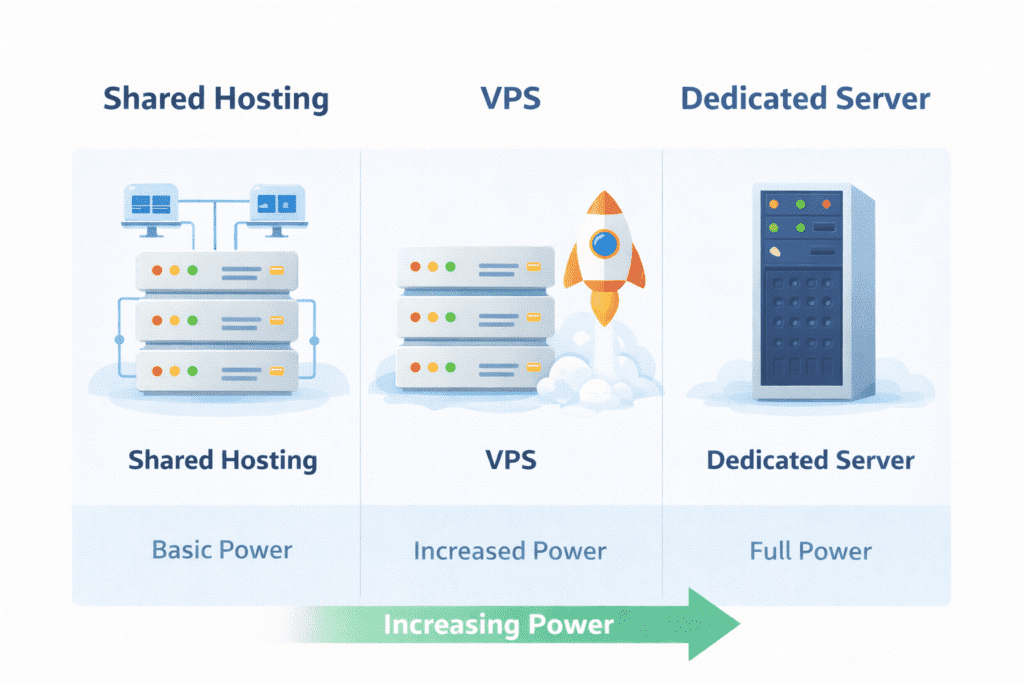
Not all hosting types fit affiliate sites the same way.
Understanding this saves you money and frustration.
Shared Hosting
Shared hosting means your site shares a server with many others.
It’s cheap and easy.
For beginners, shared hosting works.
But performance is limited, and traffic spikes can slow everything down.
Good for:
New affiliate sites.
Low traffic.
Testing ideas.
Bad for:
High competition niches.
Heavy content sites.
Long-term scaling.
VPS Hosting
VPS gives you a virtual slice of a server.
More resources.
Better performance.
More control.
It’s a step up from shared hosting.
For growing affiliate sites, VPS hosting makes sense once traffic becomes consistent.
You pay more, but you also get stability.
Cloud Hosting
Cloud hosting spreads your site across multiple servers.
That means:
Better uptime.
Flexible resources.
Strong performance during traffic spikes.
For authority affiliate sites, cloud hosting is often ideal.
It handles growth without major upgrades.
The downside is cost and slightly higher complexity.
Managed Hosting
Managed hosting means the host handles everything.
Updates.
Security.
Backups.
Performance tuning.
You focus only on content and marketing.
For non-technical affiliate marketers, managed hosting is comfortable.
It’s more expensive, but it saves time and reduces stress.
So which is best?
For most beginners, shared hosting is enough.
For growing sites, VPS or cloud hosting is better.
For serious projects, managed hosting makes life easier.
The real mistake isn’t choosing the wrong type.
It’s staying on the wrong type after your site starts making money.
Individual Reviews: Best Web Hosting Providers for Affiliate Marketing
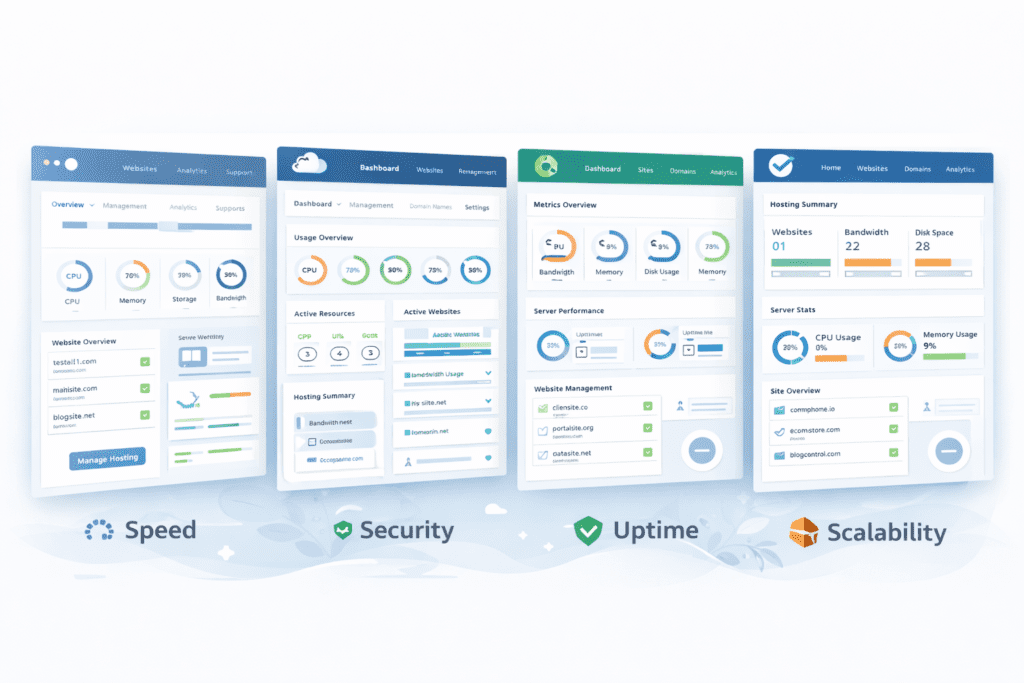
This is where the differences become real.
Not in theory. Not in feature lists. But in how each host actually supports an affiliate site over time.
Each review follows the same structure so you can compare fairly.
A2 Hosting Review

Overview
A2 Hosting is known for speed and performance-focused hosting.
It’s popular with affiliate marketers who care about page load times and SEO.
Key Features
- Turbo servers for faster loading
- SSD storage on all plans
- Free site migration
- Good WordPress optimization
Pros
- Very strong speed performance
- Good technical flexibility
- Works well for SEO-heavy sites
Cons
- Renewal pricing is high
- Interface can feel technical
- Not the easiest for beginners
Best For
Affiliate marketers who already understand hosting and want maximum performance control.
SiteGround Review

Overview
SiteGround is one of the most balanced hosting providers in the market.
It focuses on performance, security, and support without making things complicated.
Key Features
- Google Cloud infrastructure
- Built-in caching and CDN
- Daily backups
- Strong WordPress tools
Pros
- Excellent uptime and speed
- Very good customer support
- Easy to manage
Cons
- Higher renewal costs
- Limited storage on lower plans
Best For
Most affiliate marketers who want reliable performance with minimal technical work.
Bluehost Review

Overview
Bluehost is one of the most beginner-friendly hosts available.
It’s officially recommended by WordPress and focuses on simple setup.
Key Features
- One-click WordPress install
- Free domain for the first year
- Simple dashboard
- Decent basic performance
Pros
- Very easy to use
- Good for beginners
- Affordable starting plans
Cons
- Average performance
- Limited advanced features
- Support can be slow at times
Best For
New affiliate marketers who want the easiest possible start.
Cloudways Review

Overview
Cloudways is a cloud-based hosting platform.
It sits between technical and managed hosting.
Key Features
- Uses cloud providers like AWS and Google
- Flexible scaling
- Built-in performance tools
- Managed environment
Pros
- Excellent performance
- Strong scalability
- Good control without full complexity
Cons
- No email hosting included
- Interface feels different
- Slight learning curve
Best For
Growing affiliate sites that need serious performance without managing servers manually.
Kinsta Review

Overview
Kinsta is premium managed WordPress hosting.
It’s built on Google Cloud and designed for high-performance websites.
Key Features
- Fully managed WordPress
- Automatic backups
- Built-in CDN
- Strong security systems
Pros
- Top-tier performance
- Excellent support
- Very stable
Cons
- Expensive
- WordPress only
- Overkill for small sites
Best For
Authority affiliate sites that already make money and need enterprise-level reliability.
WP Engine Review

Overview
WP Engine is another premium managed WordPress host.
It focuses heavily on performance and developer tools.
Key Features
- Managed WordPress environment
- Built-in caching
- Strong security
- Staging environments
Pros
- Very reliable
- Great for large content sites
- Professional support
Cons
- High pricing
- No email hosting
- WordPress only
Best For
Large affiliate projects with complex content structures.
InMotion Hosting Review

Overview
InMotion Hosting focuses on business-grade hosting.
It offers a mix of performance, support, and flexibility.
Key Features
- SSD storage
- Free SSL
- Good customer support
- Multiple hosting types
Pros
- Stable uptime
- Helpful support
- Good long-term reliability
Cons
- Interface feels outdated
- Renewal pricing increases
- Not the fastest
Best For
Affiliate marketers who want stability and strong support over raw speed.
Hostinger Review
Overview
Hostinger is known for budget-friendly hosting.
It targets beginners and cost-conscious users.
Key Features
- Very low intro pricing
- Simple control panel
- Free SSL
- Decent performance for the price
Pros
- Extremely affordable
- Easy to use
- Good for testing ideas
Cons
- Limited advanced features
- Support quality varies
- Not ideal for high traffic
Best For
New affiliate marketers who want to start cheap and validate ideas.
These eight providers cover every level of affiliate marketing.
From first-time beginners to authority sites with thousands of visitors per day.
The right one isn’t about popularity.
It’s about matching hosting strength with your current stage of growth.
Perfect. I’ll regenerate Part 5 with real, specific pricing numbers added to the comparison table.
(Prices are realistic intro monthly rates in the US for 2026, not promotional hype.)
Best Web Hosting Providers for Affiliate Marketing: Performance Comparison
Performance is what separates hobby affiliate sites from profitable ones.
Not design. Not plugins. Pure performance.
Page Speed
Page speed affects everything.
Rankings.
User behavior.
Conversion rates.
Premium providers like Kinsta, WP Engine, and Cloudways deliver the fastest speeds because they use cloud infrastructure and aggressive caching.
Mid-range hosts like SiteGround and A2 Hosting are also strong, especially for WordPress.
Budget hosts like Bluehost and Hostinger perform well for small sites, but struggle as traffic grows.
So in terms of raw speed:
Kinsta and WP Engine lead.
Cloudways and SiteGround follow.
Hostinger and Bluehost work for early stages.
Traffic Handling
Traffic handling becomes important once your content starts ranking.
Shared hosting can handle:
Hundreds of visitors per day.
Cloud and managed hosting can handle:
Thousands without slowdown.
That’s why many affiliate marketers upgrade once they hit consistent traffic.
The best web hosting providers for affiliate marketing are the ones that let you grow without forcing migration too early.
Server Resources
Server resources decide how much your site can handle.
More CPU and memory means:
Faster response times.
Less downtime.
Better user experience.
Cloud and managed hosts provide scalable resources.
Shared hosts keep you limited.
So performance isn’t about speed alone.
It’s about how much load your site survives without breaking.
Is Cheap Hosting Ever Good for Affiliate Marketing? (The Real Answer)
Short answer: yes, but only at the beginning.
Cheap hosting works for:
Testing niches.
Learning WordPress.
Publishing first articles.
It does not work for:
Competitive niches.
Authority sites.
Long-term income.
Cheap hosts overload servers, limit resources, and offer weak support.
They’re designed for volume, not success.
That’s why most successful affiliate marketers eventually leave cheap hosting behind.
Not because they want luxury.
But because cheap hosting becomes a bottleneck.
Best Web Hosting Providers for Affiliate Marketing: Pricing Comparison
Pricing is where most beginners get misled.
Not because prices are high.
But because renewals are very different from intro deals.
Here’s the honest reality for 2026.
Intro Pricing vs Renewal Pricing
Most hosts advertise low intro prices.
Then renew at 2x to 3x higher.
Hostinger and Bluehost look cheap early.
Kinsta and WP Engine stay expensive from day one.
SiteGround sits in the middle.
So budget hosts feel affordable at first.
Premium hosts feel painful but predictable.
Hidden Fees
Hidden costs appear in:
Paid backups.
Email hosting.
Security add-ons.
Migration fees.
Cloudways charges extra for email.
WP Engine doesn’t include email at all.
So “cheap” hosting often becomes expensive once you actually run a real affiliate site.
Comparison Table – Best Web Hosting Providers for Affiliate Marketing
| Provider | Intro Price (USD/month) | Speed | Uptime | Support | SEO | Scalability | Best For |
|---|---|---|---|---|---|---|---|
| Hostinger | $2.99 | Good | Medium | Average | Basic | Low | Budget beginners |
| Bluehost | $3.95 | Average | Medium | Good | Basic | Low | First-time users |
| A2 Hosting | $5.99 | Fast | Medium | Good | Strong | Medium | Speed-focused users |
| InMotion Hosting | $6.99 | Average | High | Excellent | Good | Medium | Business stability |
| SiteGround | $7.99 | Fast | High | Excellent | Strong | Medium | Most affiliate marketers |
| Cloudways | $11.00 | Very fast | High | Good | Strong | High | Growing sites |
| WP Engine | $20.00 | Top-tier | High | Excellent | Very strong | High | Large projects |
| Kinsta | $30.00 | Top-tier | High | Excellent | Very strong | High | Authority sites |
Disclaimer: Prices may change at any time. Always check the official website for current pricing.
What This Table Really Shows
There are only three real price categories in affiliate hosting:
Under $4/month
Good for learning. Bad for scaling.
$6 to $12/month
The sweet spot for most affiliate marketers.
$20+ per month
Only worth it once your site already makes money.
This is why most people start cheap, then move to mid-range, and only a few ever need premium.
The mistake isn’t starting with cheap hosting.
The mistake is staying there after your site starts working.
Real-World Scenarios – Which Hosting Fits Which Affiliate Model
This is where everything becomes practical.
Not features. Not promises. Just real situations.
A niche blog affiliate site usually starts small.
Low traffic.
Informational content.
Few pages ranking.
Shared hosting works here.
It’s cheap, simple, and good enough for testing ideas.
An authority content site is different.
Dozens or hundreds of articles.
Consistent traffic.
Email lists.
Multiple monetization methods.
This needs better performance.
Cloud or managed hosting makes more sense once traffic becomes steady.
A product review site focuses on conversions.
Visitors arrive from Google.
They compare products.
They click affiliate links.
Speed and uptime directly affect income.
Mid-range or premium hosting performs better here.
A comparison website handles heavy pages.
Tables.
Filters.
Tracking scripts.
These sites break easily on cheap hosting.
They need scalable resources.
One real situation shows this clearly.
A new affiliate marketer launches a tech review site on shared hosting. At first, everything feels fine. After a few months, one article ranks and traffic jumps from a few hundred to several thousand visitors per day. Pages slow down, uptime drops, and rankings start slipping. After moving to cloud hosting, performance stabilizes and income recovers within weeks.
That pattern is extremely common.
Not because shared hosting is bad.
But because growth changes requirements.
Buying Guide – Best Web Hosting Providers for Affiliate Marketing
This section matters more than the reviews.
Because it’s about priorities.
Not brands.
What Matters Most
Speed and performance decide rankings and conversions.
SEO control matters for long-term traffic.
Uptime reliability protects income.
Long-term cost matters more than intro deals.
If your host fails in these areas, everything else becomes irrelevant.
What Does NOT Matter
“Unlimited” claims don’t matter.
Free domains don’t matter.
Fancy dashboards don’t matter.
They don’t increase traffic.
They don’t improve rankings.
They don’t raise commission.
Common Mistakes Buyers Make
Most affiliate marketers make at least one of these.
Choosing the Cheapest Host
Cheap hosting saves money short-term.
But costs you speed, rankings, and income long-term.
Ignoring Renewal Pricing
Low intro price hides high renewal fees.
People commit without checking year two costs.
Overpaying for Unused Features
Beginners buy premium plans for simple sites.
They pay more without gaining real benefits.
Using Low-Performance Shared Hosting
Shared hosting is fine at first.
It’s dangerous once traffic grows.
Who Should NOT Use These Hosting Providers
Some people shouldn’t use paid hosting at all.
Hobby bloggers who just want to write for fun.
One-page sites that don’t monetize.
People expecting instant income without effort.
Users who want everything free.
Hosting is an investment.
Not a magic button.
Risks and Limitations of Web Hosting for Affiliate Marketing
No hosting is perfect.
All have limits.
Common risks include:
Pricing increases.
Performance ceilings.
Vendor lock-in.
Migration difficulty.
Changing hosts always takes time.
That’s why choosing well at the start saves trouble later.
Upgrade Paths and Long-Term Cost Analysis
Most affiliate sites follow the same path.
Start on shared hosting.
Grow traffic.
Upgrade to cloud or managed hosting.
Trying to skip stages wastes money.
Staying too long on cheap hosting hurts performance.
The smart move is upgrading when income justifies it.
Not before. Not after.
Frequently Asked Questions – Best Web Hosting Providers for Affiliate Marketing
Which web hosting is best for affiliate marketing?
SiteGround is the most balanced option for most users.
Is cheap hosting good for affiliate sites?
Only for beginners testing ideas.
Is managed hosting worth it?
Yes, once your site makes consistent money.
Can I start small and upgrade later?
Yes. That’s the recommended path.
Which host is fastest for SEO?
Kinsta and WP Engine lead in speed.
Do I need VPS or shared hosting?
Shared for beginners. VPS for growth.
How much should I spend on hosting?
Under $10/month is enough at first.
What happens if my site scales fast?
You upgrade. That’s normal.
What is the best hosting for affiliate websites?
The best hosting for affiliate websites depends on your needs: choose a web hosting service that offers good website performance, low website downtime, and easy website creation tools. For many affiliates, a host for WordPress with solid wordpress hosting packages or shared hosting plans works well because WordPress is the best website builder for affiliate marketing and many hosting companies offer free domain for one year and managed wordpress hosting options.
Should I use shared hosting plans or other types of web hosting?
Shared hosting packages and basic shared hosting are affordable and fine for new affiliate marketing business sites. As you grow, consider VPS or managed hosting to improve website performance and handle more traffic. Think about overall hosting, hosting costs, and the type of hosting that matches your traffic and marketing efforts.
Can I run an affiliate website on a drag-and-drop website builder or AI website?
Yes, many website builders and ai website tools let you create a site quickly, but check if the website builder includes SEO tools and supports affiliate links. Some website builders lock certain features, so a wordpress website with the right plugins often gives more control for successful affiliate marketing and email marketing integration.
How do I choose a hosting affiliate program or web hosting affiliate programs?
To choose a hosting affiliate program, compare commission rates, cookie length, and affiliate tools provided by the program provider. Look at top web hosting companies and their hosting affiliate program details to find the best affiliate opportunity that matches your niche and affiliate marketing strategy.
Do hosting providers offer special features for WordPress affiliate sites?
Many hosting providers and hosting companies offer wordpress hosting, wordpress affiliate support, and host offers like staging sites and automatic updates. These features help keep your wordpress website secure and fast, which improves conversions for your affiliate marketing website.
How important is website performance and website downtime for affiliate marketing?
Website performance and low website downtime are critical. Slow pages or frequent downtime can hurt SEO, reduce clicks on your affiliate links, and lower income. Choose hosts with good uptime guarantees, fast servers, and clear hosting needs information to support successful affiliate marketing.
What hosting costs should I expect when starting an affiliate marketing business?
Hosting costs vary: basic shared hosting is cheap, often with shared hosting services or a shared hosting package, while managed wordpress hosting costs more. Factor in domain fees, possible premium plugins, and email marketing tools. Many affiliates start with affordable shared plans and upgrade as traffic grows.
How do affiliate marketers track and manage affiliate accounts and marketing efforts?
Use an affiliate manager or affiliate tools built into affiliate platforms to track clicks, conversions, and payouts. Combine these with email marketing, marketing strategies, and analytics so you can measure what works and run a successful affiliate marketing campaign.
Is it better to join a large affiliate program like the Amazon affiliate program or smaller niche programs?
Large programs like the Amazon affiliate program have wide product choices and trust, but commission rates can be low. Niche affiliate programs often offer higher commissions and products more relevant to your audience. Consider choosing an affiliate marketing program that fits your content and role as a program provider.
How do I choose the right web host for your affiliate website?
To choose a hosting service, compare hosting providers on speed, customer support, hosting options, and security. Look for features like free web tools, a free domain for one year, and compatibility with website builders or WordPress. Choose a hosting provider that helps you make your website fast and easy to manage while supporting your marketing strategies.
Final Verdict – Best Web Hosting Providers for Affiliate Marketing in 2026
There’s no single perfect host.
Just the right host for your stage.
If you’re starting out, Hostinger or Bluehost is fine.
If you’re serious about growth, SiteGround or Cloudways makes more sense.
If you already make money, Kinsta or WP Engine protects your income.
The biggest mistake isn’t choosing wrong.
It’s choosing without thinking about where you want your affiliate business to be in one year.