

A common mistake small business owners make is treating web hosting as an afterthought. The website goes live, emails seem to work, and everything looks fine. Then the site slows down, emails land in spam, or the page goes offline during business hours. By then, switching feels stressful and expensive.
That’s why Best Web Hosting for Small Businesses matters more than it used to. In 2026, your hosting choice directly affects trust, visibility, and how professional your business looks online. This guide focuses on education first, then walks through trusted hosting providers that small businesses in the USA can use with confidence, without overpaying or overcomplicating things.
Quick Recommendation: Small Business Hosting Snapshot
Best Overall Hosting Provider: InMotion Hosting
Best for: Small businesses that want reliable uptime and strong customer support
Best for Beginners: Bluehost
Best for: Simple setup, beginner-friendly dashboard, and affordable entry plans for first-time website owners.
Best for Performance: SiteGround
Best for: Optimized servers, faster loading speeds, and strong uptime consistency for business websites.
What Is Web Hosting for Small Businesses and How Does It Work?
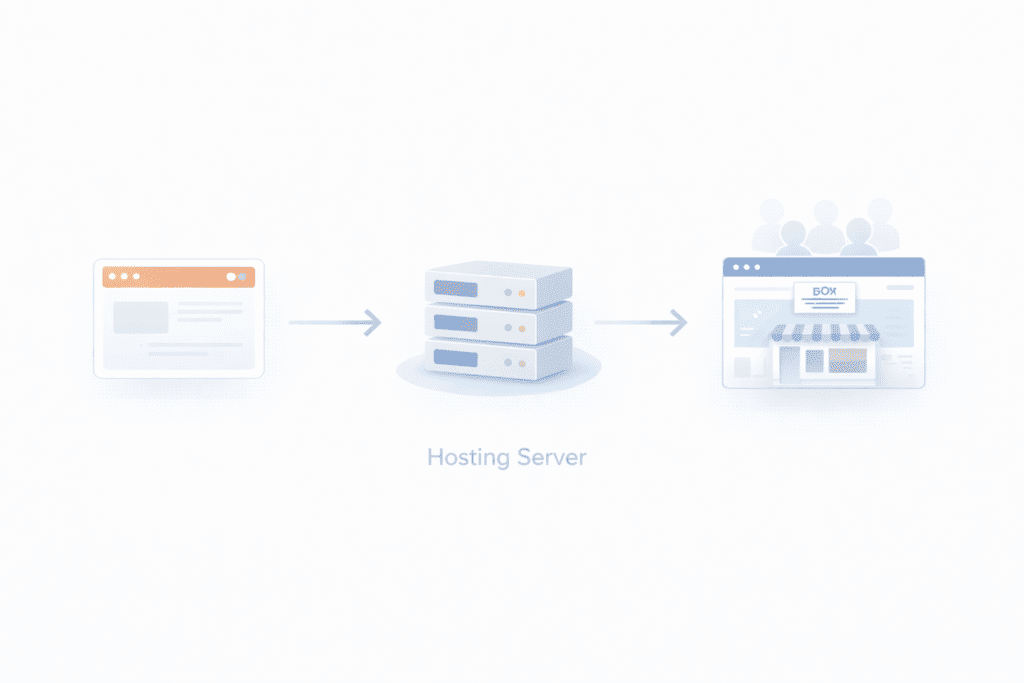
Web hosting is the service that stores your website files and makes them available online. When someone types your business website into a browser, the hosting server delivers your pages to their screen.
For small businesses, hosting usually supports more than just a website. It often includes business email, file storage, security tools, and sometimes online store features. The hosting service becomes the foundation of your online presence.
What makes hosting “small business friendly” isn’t size. It’s balance.
Small business hosting focuses on:
• Reliability so your site stays online
• Simple setup for non technical users
• Support that answers questions clearly
• Pricing that doesn’t jump unexpectedly
A good hosting plan helps power:
• Business websites
• Email accounts using your domain
• Appointment systems or contact forms
• Online stores and payment pages
Small business web hosting is commonly used by local service providers, startups, consultants, restaurants, and online sellers. These businesses don’t need massive servers, but they do need stability.
Who Should Use Small Business Web Hosting and Who Should Not?

Small business web hosting works best for owners who want dependable performance without managing technical details. If your business relies on a website to attract customers, collect leads, or sell products, this type of hosting makes sense.
It’s especially useful if:
• Your site represents your brand
• Downtime could cost sales or trust
• You need business email tied to your domain
• You plan to grow traffic over time
On the other hand, it’s not always the right fit.
You may not need small business hosting if:
• You’re testing a personal project
• You don’t plan to keep the site long term
• You only need a temporary landing page
Free or basic personal hosting can work for experiments. Once real customers are involved, dedicated small business hosting becomes more important.
Why Best Web Hosting for Small Businesses Is Important in 2026
Online competition in the US keeps growing. Customers expect websites to load fast, stay secure, and work on every device. Hosting plays a bigger role in that than most people realize.
Speed affects how long visitors stay. Uptime affects whether customers can reach you at all. Security affects trust, especially when forms or payments are involved.
Another factor is growth. Many small businesses start simple, then add pages, email accounts, or eCommerce features. Hosting that can’t scale becomes a bottleneck.
Choosing the Best Web Hosting for Small Businesses in 2026 isn’t about getting the biggest server. It’s about choosing a hosting setup that supports daily operations today and doesn’t limit growth tomorrow.
Who Should Use Small Business Web Hosting and Who Should Not
Small business web hosting is designed for owners who rely on their website as part of daily operations. If your site helps bring in leads, bookings, or sales, hosting isn’t just technical background. It’s part of how your business functions.
This type of hosting is a good fit for:
• Local businesses with service pages and contact forms
• Startups building a long term online presence
• Consultants and professionals using business email
• Small online stores processing payments
In these cases, reliability matters. A slow or unavailable site doesn’t just look bad. It can cost real customers.
That said, not everyone needs small business hosting right away.
You might not need it if:
• You’re running a short term test site
• The website isn’t tied to your business name
• You’re experimenting before launching publicly
Some people start with basic personal hosting or free platforms. That can work early on. The shift usually happens once the site represents a real business and real customers expect it to work consistently.
Why Best Web Hosting for Small Businesses Is Important in 2026
Running a business online in the USA is more competitive than ever. Customers compare options fast. If a site feels slow or unreliable, they don’t wait around.
Website speed affects how professional your business feels. A delay of even a few seconds can push visitors to another option. Uptime matters just as much. If your site goes down during business hours, you lose visibility and trust at the same time.
Security is another concern. Contact forms, login pages, and checkout systems handle sensitive data. Hosting that lacks proper protection puts both the business and customers at risk.
Scalability is where many small businesses get stuck. A site may work fine at first, then struggle as traffic grows or new features are added. Switching hosting later is possible, but it’s easier to start with a plan that allows upgrades.
Choosing the Best Web Hosting for Small Businesses in 2026 matters because hosting now supports more than pages. It supports credibility, communication, and growth.
Key Features to Look for in the Best Web Hosting for Small Businesses

Not all hosting plans are built with small businesses in mind. Some are cheap but limited. Others are powerful but hard to manage. The goal is finding a balance that supports daily business needs without adding complexity.
Reliability and uptime guarantees: your website should stay online during business hours. Frequent downtime hurts trust and visibility.
Website speed and performance: faster pages keep visitors engaged. Good hosting uses optimized servers and modern storage to reduce load times.
Security features: SSL certificates, regular backups, and malware protection help protect customer data and business information.
Ease of use: a simple control panel matters. Small business owners shouldn’t need technical skills to manage emails or update files.
Customer support quality: issues don’t follow a schedule. Support that’s available and easy to reach makes a real difference.
Scalability options: traffic rarely stays the same. Hosting should allow upgrades without rebuilding the site.
Pricing transparency: low introductory prices can jump after renewal. Clear pricing avoids surprises.
US based data centers: hosting closer to your audience usually improves speed and reliability for US customers.
These features aren’t extras. They’re what make a hosting plan practical for running a business site long term.
Types of Web Hosting for Small Businesses and When to Use Them

Understanding hosting types helps avoid overpaying or choosing something too limited.
Shared hosting: multiple sites share one server. It’s affordable and simple. This works well for small business websites with steady, low traffic.
VPS hosting: a virtual server with dedicated resources. It offers better performance and control than shared hosting. Many growing businesses move here once traffic increases.
Cloud hosting: resources scale as needed. This is useful for businesses with seasonal traffic or unpredictable growth.
Managed vs unmanaged hosting: managed hosting handles updates and security for you. Unmanaged hosting gives more control but expects technical knowledge.
For beginners, shared hosting or managed cloud hosting is often enough. As the business grows, VPS hosting becomes a more stable option.
Is Best Web Hosting for Small Businesses Expensive? Real Cost Breakdown for 2026
Cost is usually the first concern for small businesses. Hosting prices can look low at signup, then feel frustrating a year later. Understanding what you’re actually paying for helps set realistic expectations.
At the basic level, shared hosting is the most affordable option. Many shared hosting plans start at a low monthly rate and include essentials like email hosting, SSL certificates, and basic support. For a small business website with modest traffic, this can be enough in the early stages.
VPS hosting costs more because it provides dedicated resources. You’re not sharing memory or processing power with dozens of other sites. For growing businesses, the extra cost often translates into better performance and fewer issues during busy periods.
Cloud hosting pricing works differently. Instead of one fixed plan, you often pay based on usage. This can be cost effective for businesses with uneven traffic, but it also requires monitoring so costs don’t creep up unexpectedly.
Managed hosting adds another layer. You’re paying not just for the server, but for support, updates, and security management. For many small business owners, this trade off makes sense. Time saved on technical tasks can outweigh the higher monthly cost.
A realistic cost range in 2026 looks like this:
• Shared hosting for small businesses usually stays at the lower end
• VPS hosting sits in the middle as traffic and features grow
• Cloud hosting varies depending on usage
• Managed hosting costs more but reduces hands-on work
One thing that trips people up is renewal pricing. Introductory rates often increase after the first term. Checking renewal costs before signing up avoids surprises later.
Another factor is features. Some hosting plans include backups, email hosting, and security tools. Others charge extra. What looks cheap upfront can cost more once add-ons are included.
So is the Best Web Hosting for Small Businesses expensive? It depends on what you need. For most small businesses in the USA, hosting is a manageable monthly expense. Paying a little more for reliability, support, and scalability usually leads to fewer headaches as the business grows.
8 Best Web Hosting for Small Businesses in the USA (2026)
Below are trustworthy hosting companies that small businesses in the United States often choose. Each section highlights what the host does well and who might benefit most.
1. InMotion Hosting

InMotion Hosting is known for dependable performance and small business–friendly features. It’s a well-rounded web host with options that scale as your business grows.
Best for: Businesses needing reliability and solid customer support
Hosting types offered: Shared hosting, VPS hosting, managed hosting
Key features:
• Strong uptime and performance
• Business email included
• Free SSL and daily backups with select plans
• Easy control panel for beginners
Pros:
• Good customer support
• Balanced pricing and performance
• Plenty of resources for growth
Cons:
• Intro pricing requires longer commitments
• Some features reserved for higher tiers
Pricing overview: Plans start affordable and upgrade as resource needs grow.
Who this is best for: Small businesses wanting reliable web hosting service with room to expand.
You can review current plans directly on InMotion Hosting to confirm which features match your business needs.
2. Bluehost
Bluehost is popular among small business owners and often recommended for WordPress hosting. The user experience stays simple, which helps if you’re not technical.
Best for: WordPress sites and beginners
Hosting types offered: Shared hosting, VPS hosting, managed WordPress hosting
Key features:
• Easy site setup for beginners
• Free domain for the first year
• SSL included with hosting
• 1-click WordPress install
Pros:
• Simple setup experience
• Affordable entry-level plans
• Strong support documentation
Cons:
• Renewal prices rise noticeably
• Performance is basic on starter plans
Pricing overview: Shared plans start low, grow with upgrades.
Who this is best for: Small business owners who run WordPress sites or want a straightforward setup.
You can review current plans and pricing directly on Bluehost to see which option fits your setup.
3. HostGator
HostGator offers a broad range of hosting plans suitable for small business websites of varying sizes. The company also provides 24/7 support and user-friendly tools.
Best for: New businesses looking for affordable hosting
Hosting types offered: Shared hosting, VPS hosting, dedicated hosting
Key features:
• Flexible hosting packages
• Free SSL included
• Easy management dashboard
• 24/7 customer support
Pros:
• Competitive pricing
• Scalable hosting options
• Simple control panel
Cons:
• Performance can lag on low-tier plans
• Add-ons cost extra
Pricing overview: Entry plans are often discounted at first.
Who this is best for: Small businesses prioritizing affordability and flexibility.
You can compare available hosting plans directly on HostGator to evaluate pricing and included features.
4. SiteGround
SiteGround is a strong choice for small business hosting with a focus on performance and security. Its platform includes tools that help keep websites fast and protected, even as traffic grows.
Best for: Businesses that value speed and security
Hosting types offered: Shared hosting, cloud hosting, managed WordPress hosting
Key features:
• Excellent uptime and caching tools
• Daily backups included
• Free SSL certificates
• Strong security features
Pros:
• Fast loading times
• Helpful customer support
• Reliable performance
Cons:
• Higher renewal prices
• Some advanced features require upgrades
Pricing overview: SiteGround’s entry shared hosting is beginner friendly, with options to scale to cloud hosting as needed.
Who this is best for: Small businesses that want reliable performance with strong built-in tools.
You can explore current hosting plans on SiteGround to confirm performance and security features.
5. A2 Hosting
A2 Hosting is known for performance-optimized servers and flexible hosting options. Small businesses that need speed without technical complexity often choose it.
Best for: Websites that need extra performance
Hosting types offered: Shared hosting, VPS hosting, dedicated hosting
Key features:
• Turbo servers for faster loading
• Free SSL and backups on select plans
• Multiple control panel options
• Developer-friendly tools
Pros:
• Strong speed performance
• Flexible plan choices
• Good uptime reliability
Cons:
• Turbo speeds cost more
• Interface isn’t as beginner-friendly
Pricing overview: A2 Hosting gives performance options at competitive prices, especially for VPS and dedicated hosting.
Who this is best for: Small businesses that want boosted speed without complex setups.
You can review available server options directly on A2 Hosting to compare performance tiers.
6. DreamHost
DreamHost stands out among hosting companies for its transparent pricing and easy-to-use dashboard. It’s a solid choice for small business owners who want straightforward hosting.
Best for: Businesses requiring simple, no-nonsense hosting
Hosting types offered: Shared hosting, VPS hosting, dedicated hosting
Key features:
• Clear pricing with no hidden fees
• Free domain and SSL on many plans
• Custom control panel
• Automated backups available
Pros:
• Simple user experience
• Transparent costs
• Strong customer support
Cons:
• Performance is solid but not exceptional
• Control panel may feel limited for advanced users
Pricing overview: DreamHost typically offers good value for essential hosting features.
Who this is best for: Business owners who want reliable hosting without technical complexity.
You can review current hosting plans directly on DreamHost to compare features and pricing.
7. Hostinger
Hostinger is popular for affordable hosting plans without sacrificing basic performance. It offers a straightforward experience that many small business owners appreciate.
Best for: Budget-conscious small businesses
Hosting types offered: Shared hosting, cloud hosting, VPS hosting
Key features:
• Very affordable entry plans
• Free SSL included
• Easy website builder tools
• Scalable hosting options
Pros:
• Low starting price
• Good uptime for the price
• Flexible upgrade path
Cons:
• Support isn’t always immediate
• Some features are limited on lowest plans
Pricing overview: Hostinger’s entry shared hosting is among the most affordable, with options to scale up.
Who this is best for: Small businesses that want simple hosting with room to grow.
You can explore current plan options on Hostinger to confirm pricing and included features.
8. Liquid Web
Liquid Web focuses on performance and professional hosting services. It’s often chosen by small businesses that expect to grow quickly or need higher reliability.
Best for: Businesses that plan to scale or need higher performance
Hosting types offered: VPS hosting, dedicated hosting, managed hosting
Key features:
• High performance servers
• Advanced security tools
• Managed support options
• Strong uptime guarantees
Pros:
• Excellent reliability
• Support that helps with technical setup
• Good for traffic-heavy sites
Cons:
• Higher price point
• Not aimed at absolute beginners
Pricing overview: Liquid Web’s plans are more expensive but built for performance and support.
Who this is best for: Small businesses that need managed support and fast hosting.
You can review managed hosting plans directly on Liquid Web to evaluate performance and support levels.

Best Web Hosting for Small Businesses Comparison Table
| Hosting provider | Hosting type | Uptime guarantee | Performance features | Security features | Starting price | Renewal pricing | Best use case |
|---|---|---|---|---|---|---|---|
| InMotion Hosting | Shared, VPS, Managed | 99.90% | SSD storage, optimized servers | Free SSL, backups | $3.29/month | $8.99/month | Reliable all-round business hosting |
| Bluehost | Shared, VPS, WordPress | 99.90% | Basic performance optimization | Free SSL | $2.95/month | $9.99/month | Beginners and WordPress sites |
| HostGator | Shared, VPS, Dedicated | 99.90% | Scalable resources | Free SSL | $2.75/month | $8.95/month | Budget-friendly flexibility |
| SiteGround | Shared, Cloud | 99.99% | Advanced caching, fast servers | Daily backups, SSL | $3.99/month | $14.99/month | Speed and security focused sites |
| A2 Hosting | Shared, VPS, Dedicated | 99.90% | Turbo servers available | Free SSL, backups | $2.99/month | $10.99/month | Performance-driven businesses |
| DreamHost | Shared, VPS, Dedicated | 99.90% | Stable performance | Free SSL | $2.59/month | $7.99/month | Simple, transparent hosting |
| Hostinger | Shared, Cloud, VPS | 99.90% | LiteSpeed servers | Free SSL | $2.99/month | $7.99/month | Low-cost small business hosting |
| Liquid Web | VPS, Dedicated, Managed | 99.99% | High-performance infrastructure | Advanced security | $19.00/month | $29.00/month | High-growth and mission-critical sites |
You can compare plans and pricing directly on the official hosting provider sites to find the best match for your business goals.
How to Choose the Best Web Hosting for Small Businesses (Step-by-Step Guide)
Choosing the right hosting plan isn’t random. A few clear steps help you match your business needs with the right web host.
Step 1: Define your business website needs
Consider how many pages you’ll have, whether you need email hosting, and whether you plan to sell products.
Step 2: Choose the right hosting type
Shared hosting works for simple sites. VPS or cloud hosting fits growing traffic.
Step 3: Estimate traffic and growth potential
If your site gets busy during promotions or seasonal spikes, scalable hosting helps.
Step 4: Check ease of use and setup
Look for a user-friendly control panel if you’re not technical.
Step 5: Review security and backup options
SSL certificates, automated backups, and malware scanning are priorities.
Step 6: Compare pricing and renewal costs
Verify both intro pricing and longer-term costs to avoid renewal surprises.
Step 7: Visit official providers to select the best plan
Official sites show the latest features, support levels, and detailed pricing.
Choosing a plan this way feels more intentional and less like guesswork.
Common Mistakes Small Businesses Make When Choosing Web Hosting
• Choosing the cheapest plan without checking limits
• Ignoring renewal pricing and hidden costs
• Overlooking necessary security features
• Selecting hosting that can’t scale as the business grows
• Using hosting with unreliable customer support
• Hosting multiple business sites on a starter plan that can’t handle the load
These missteps often lead to slow websites, unexpected costs, or hassles down the line.
Best Web Hosting for Small Businesses vs Other Hosting Options
Small business hosting isn’t the same as free website builders or personal hosting. Free platforms can work for hobbies, but businesses need features like email, performance guarantees, and professional support.
Compared to shared personal hosting, business hosting plans usually offer stronger uptime and better support. They’re designed for multiple users and real-world customer interaction.
Enterprise hosting is another level entirely. It’s built for high traffic and heavy workloads. Most small businesses don’t need that right away.
Understanding where your business fits makes it easier to pick the right solution rather than guessing based on price alone.
FAQs About Best Web Hosting for Small Businesses
What is the best web hosting for small businesses in the USA?
The best web hosting for small businesses combines reliability, support, and scalability. Providers like InMotion Hosting and SiteGround often strike that balance well.
Is best web hosting for small businesses expensive?
It can be affordable. Shared hosting plans usually cost less, while scalable or managed options cost more.
Which hosting type is best for small businesses?
Shared hosting is good for simple sites. VPS hosting can help as traffic grows.
Can beginners use the best web hosting for small businesses easily?
Yes. Many hosts offer user-friendly dashboards and tools for beginners.
Does best web hosting for small businesses include email hosting?
Many plans include email hosting, but check plan details before signing up.
Is the best web hosting for small businesses secure?
Good hosts include SSL certificates, firewalls, and backup tools to enhance security.
How much does best web hosting for small businesses cost per month?
It varies. Affordable shared hosting starts lower, while managed or cloud hosting costs more.
Can I switch hosting providers later?
Yes. You can move your website, but it helps to plan ahead and back up your content.
Which best web hosting for small businesses is best for eCommerce?
Look for plans with higher performance and SSL included. Some providers also offer shopping cart tools.
Do small businesses really need paid web hosting?
If your site represents your business and customers rely on it, paid web hosting is usually worth it.
Can Small Businesses Switch Hosting Providers Later?
Switching hosts is often possible. It usually requires copying your site files, databases, and email settings to the new provider. Some hosting companies offer free migration support, which reduces the workload. Just be sure the new host supports everything your business site needs.
What is the best web hosting for small businesses in USA?
The best web hosting for small businesses in USA depends on your needs. Look for a web hosting provider that offers reliable uptime, good support, and a web hosting plan that fits your budget. Shared web hosting or managed wordpress hosting is ideal for many small shops. For more power, consider vps hosting or dedicated hosting if you expect high traffic.
How do I choose a web hosting service for my business website?
Start by listing your web hosting requirements: storage, speed, security, and support. Compare web hosting options like cloud hosting plans, shared web hosting, and managed hosting. Read web hosting reviews and pick a hosting solution that is fit for small teams and offers the best value with scalable upgrades.
Should I pick shared hosting, VPS, or dedicated server?
Choose shared web hosting for low cost and simple sites. Pick vps hosting if you need more control and resources. Choose a dedicated server when you need top performance and full server control. If unsure, a managed vps hosting or cloud hosting services plan can give flexibility as you grow.
Is managed WordPress hosting worth it for small business?
Yes. Managed wordpress hosting is a strong choice for businesses using WordPress. It offers faster site speed, automatic updates, and security features. Many web hosting providers specialize in WordPress hosting and make it easy for bloggers and small businesses to run a reliable site.
Can I get cheap web hosting or free web hosting for my small business?
You can find cheap web hosting that works well for startups. Cheap plans often limit storage or speed but can be a good fit early on. Free web hosting exists but usually lacks reliability and support. For best results, choose a low-cost plan from a dependable web host that offers upgrades when you need them.
What is the best value web hosting services of 2026 for small businesses?
Best value web hosting services of 2026 are those that balance price, performance, and support. Look for offers that include SSL, backups, and easy scaling. Top picks often include shared web hosting and cloud hosting plans that let your business grow without a big jump in hosting cost.
How much will hosting cost for a small business website?
Hosting cost varies. Basic web hosting can start under $5 per month. Managed hosting or VPS or dedicated hosting can cost more depending on resources. Consider total costs like domain, email, security, and backups when choosing a web hosting plan so you get a clear picture of monthly and yearly expenses.
Do I need cloud hosting or a traditional hosting platform?
Cloud hosting gives flexibility and easy scaling, which is great for growing businesses. Traditional hosting, like basic shared hosting, can be fine for small static sites. If you expect variable traffic or need strong uptime, cloud hosting services are an excellent choice for small businesses.
What should I look for in web hosting services faqs when picking a provider?
Check FAQ pages for support hours, backup policies, security measures, and migration help. Look for a web host that answers common concerns about uptime, control panels, and scaling. A clear web hosting services faqs section can show whether the provider is dependable and suitable for your needs.
Can I move my site later if I pick the wrong hosting solution?
Yes. Most web hosting companies support site migration. Some hosts offer free migration help. When choosing, look for a web hosting provider that offers easy migration and a range of web hosting solutions so you can upgrade from basic shared hosting to managed hosting or a dedicated server when your business grows.
Final Verdict: Best Web Hosting for Small Businesses in the USA (2026)
Choosing Best Web Hosting for Small Businesses feels less overwhelming when you have options that match real needs.
Best overall hosting provider: InMotion Hosting stands out for reliability and support.
Best option for beginners: Bluehost and HostGator offer simple setups and solid entry plans.
Best choice for performance: SiteGround and A2 Hosting deliver faster loading and better uptime.
If your business plans to grow significantly, consider VPS or cloud hosting for long-term scalability.
Before finalizing your plan, review features and pricing on the official sites of these providers. That step helps ensure the chosen host matches your current needs and future goals.
If you’re ready to move forward, reviewing current plans on InMotion Hosting, SiteGround, or Bluehost can help confirm which option fits your business stage.