

Imagine you’re a designer finishing a new project. You want a place online where clients can see your work clearly, quickly, and professionally. A social media post might show a few images, but it rarely tells the full story behind your projects.
That’s where hosting for portfolio websites, particularly with shared hosting plans, becomes important.
A well-built portfolio website allows creative professionals to present projects, case studies, images and videos in one place. But the platform you choose affects more than just appearance. The hosting environment influences loading speed, design flexibility, and overall user experience.
For photographers, developers, artists, and designers, a slow or poorly designed portfolio can make great work look less impressive. A fast and reliable hosting setup helps ensure your portfolio loads smoothly and looks professional to potential clients.
Choosing the right hosting for portfolio websites is often the difference between a simple page of images and a polished digital portfolio that truly showcases your work.
Quick Recommendations (2026)
If you want a quick starting point before comparing all platforms, these hosting options are commonly recommended for portfolio websites depending on your needs.
Quick Recommendation: 7 Best Hosting for Portfolio Websites
Best Overall Portfolio Platform: Wix
Best for: Easy website builder with flexible portfolio templates
Best Design Focused Platform: Squarespace
Best for: Visually polished templates ideal for creative portfolios
Best WordPress Hosting for Portfolios: Hostinger
Best for: Fast hosting with flexible WordPress customization
These platforms offer a good balance of design tools, hosting performance, and flexibility for building a professional portfolio website.
Hosting for Portfolio Websites: Why Creators Need the Right Platform

A portfolio is more than just a gallery. It’s often the main way creative professionals present their skills and attract opportunities.
The platform used for hosting your portfolio affects how projects appear, how fast the site loads, and how easily visitors can explore your work.
Several reasons explain why creators need the right portfolio hosting platform.
• Professional presentation: A strong portfolio layout highlights projects clearly.
• Fast loading speed: Image heavy portfolios need reliable hosting infrastructure.
• Flexible design templates: Modern template options help creators customize their portfolio site.
• Better search visibility: SEO friendly platforms can help your portfolio appear in search results.
A good portfolio hosting platform allows creators to showcase projects in a clean and visually appealing way.
How We Selected the Best Hosting for Portfolio Websites
Choosing the best portfolio hosting platforms requires evaluating several factors beyond just price.
Some creators prioritize design templates, while others care more about flexibility or performance. For this comparison, several criteria were used.
• Performance and uptime: Reliable hosting ensures portfolio pages load consistently.
• Template quality: Design flexibility is important for showcasing creative work.
• Ease of use: A good website builder simplifies portfolio creation.
• Pricing and value: Hosting prices should match the features offered.
These factors help identify the platforms that offer the best balance of design, performance, and usability.
Comparison Table: Best Hosting for Portfolio Websites
| Platform | Type | Website Builder | Best For |
|---|---|---|---|
| Wix | Website builder | Yes | Beginners |
| Squarespace | Website builder | Yes | Design focused portfolios |
| Hostinger | WordPress hosting | Yes | Flexible portfolio sites |
| Adobe Portfolio | Portfolio platform | Yes | Adobe users |
| Namecheap | Web hosting | Optional | Budget portfolio sites |
| Shopify | Ecommerce hosting | Yes | Portfolio plus online store |
| Behance | Portfolio network | Limited | Creative exposure |
This comparison highlights the different hosting options available for portfolio websites. Some platforms focus on simplicity with built in website builders, while others provide flexible hosting environments for customizable portfolios.
What Is Portfolio Hosting?
Portfolio hosting refers to the platforms used to store and display creative work online. These platforms allow professionals to build a portfolio website where projects, images, and case studies can be presented in a structured way.
In simple terms, portfolio hosting gives creators a place on the internet to showcase their portfolio and share their work with clients, employers, or collaborators.
Depending on the platform, portfolio hosting may come in different forms. Some platforms provide a built in website builder, while others rely on traditional web hosting combined with content management systems like wordpress.
The main goal of portfolio hosting is to make it easy to present a digital portfolio in a professional format.
Key Features of Portfolio Hosting Websites
Portfolio hosting platforms typically include features designed for showcasing creative work.
These features help creators organize projects and display media content effectively.
• Visual templates: Portfolio template designs allow creators to present projects clearly.
• Media galleries: Image and video galleries help display creative work visually.
• Custom domain name: A custom domain name improves branding and professionalism.
• SEO tools: Built in SEO features help portfolio websites appear in search results.
These features make it easier for creative professionals to create a portfolio that highlights their work effectively.
Portfolio Hosting Features That Matter Most
While many hosting platforms support portfolio sites, certain features are especially important for creators.
The best portfolio hosting platforms offer tools that make portfolios both visually appealing and easy to manage, similar to what leading hosting companies provide.
• Customizable templates: Flexible template options help create a unique portfolio layout.
• Drag and drop website builder: A simple website builder makes building websites easier.
• Image and media support: Portfolio sites often rely heavily on images and videos.
• SEO capabilities: Good SEO tools help improve portfolio visibility in search engines.
These features help ensure that a portfolio website is both functional and visually engaging.
Portfolio Website Performance: Why Speed Matters

Speed is often overlooked when building a portfolio website, but it plays an important role in how visitors experience your work.
Portfolio sites usually include large images, design mockups, and videos. If the hosting platform is slow, pages may take longer to load.
Slow loading can create a poor impression for visitors reviewing your portfolio.
Fast web hosting infrastructure helps reduce loading delays and keeps the portfolio experience smooth.
From an SEO perspective, faster websites may also perform better in search results because loading speed is one of the signals search engines consider.
Types of Portfolio Hosting Platforms
Creators can build a portfolio using several types of platforms. Each approach offers different levels of control, customization, and simplicity.
Some creators prefer simple tools that include a website builder. Others choose more flexible hosting options that allow deeper customization.
Understanding these options makes it easier to choose the right platform for your portfolio.
Website Builder Platforms

Website builder platforms provide an easy way to create a portfolio website without needing technical skills.
These platforms include drag and drop editors, built in templates, and integrated hosting services. The website builder offers ready made design layouts that can be customized with images and project details.
Platforms like wix and squarespace are popular examples of this approach.
For beginners, an easy-to-use website builder can simplify building websites because everything from design templates to hosting is included in one platform.
WordPress Portfolio Hosting
WordPress hosting provides more flexibility compared to typical website builders.
With wordpress, creators can build a fully customizable portfolio site using themes and plugins. Many developers and designers prefer this approach because it allows more control over layout, features, and content management.
However, wordpress usually requires a separate web hosting service and some basic setup.
Once configured, a wordpress site can support advanced portfolio examples, case studies, and detailed project pages.
Creative Portfolio Platforms
Some platforms focus specifically on sharing creative work instead of building a full website.
These platforms function as portfolio hosting websites where creators can upload projects and gain visibility within a community.
Examples include behance, coroflot, and adobe portfolio.
These platforms help creative professionals gain exposure and share their digital portfolio with other designers, agencies, and clients.
However, customization options are usually more limited compared to building a standalone portfolio website.
Free vs Paid Portfolio Hosting Platforms
Portfolio hosting platforms are available in both free and paid versions.
Free platforms can be useful for beginners who want to create a simple online portfolio quickly. However, free options often include branding, limited customization, or restricted features.
Paid hosting options usually provide greater flexibility and professional tools.
Premium portfolio hosting often includes better template design options, advanced SEO tools, and improved storage and bandwidth.
For creators who rely on their portfolio to attract clients, investing in a paid platform often provides better long term value.
7 Best Hosting for Portfolio Websites
Choosing the right hosting platform can make a big difference in how your portfolio appears and performs. Some platforms focus on design flexibility, while others provide stronger cloud hosting infrastructure or customization options.
Below are some of the best portfolio hosting platforms used by creative professionals.
Wix: Best Easy to Use Website Builder for Portfolio Sites
Wix is widely known for its drag and drop website builder. It allows creators to build a portfolio without technical knowledge.
The platform includes many portfolio template designs that help display projects clearly.
Key Features
• Large template collection: Wix provides numerous portfolio template designs.
• Integrated website builder: The platform includes a simple website builder interface.
• Built in SEO tools: Tools help improve SEO visibility for your portfolio site.
Pros
• Beginner friendly platform
• Highly customizable visual layouts
Cons
• Advanced customization can be limited compared to wordpress
Best For
Creators who want an easy-to-use website builder for building a digital portfolio quickly.
Squarespace is known for its visually polished templates. Many designers and photographers prefer the platform because its layouts emphasize design quality.
The platform combines web hosting, design templates, and content management in one system.
Key Features
• Professional template designs: Squarespace templates are designed for creative portfolios and visual projects.
• Built-in website builder: Allows creators to customize layouts easily without coding.
• Integrated hosting service: Hosting infrastructure is included directly within the platform.
Pros
• Excellent design aesthetics
• Clean and modern portfolio layouts
Cons
• Hosting prices may be higher than some alternatives
Best For
Designers and photographers who want visually impressive portfolio websites.
Hostinger: Best WordPress Hosting for Portfolio Websites
Hostinger provides wordpress hosting that allows creators to build a flexible portfolio site using wordpress.
Unlike website builders, wordpress hosting gives users greater control over customization and content management.
Key Features
• One click wordpress installation: Easy setup for building a wordpress site.
• Fast hosting infrastructure: SSD or NVMe storage helps improve loading performance.
• Free domain name and free SSL certificates: Useful for launching a professional portfolio website.
Pros
• Excellent performance for wordpress portfolios
• Flexible customization options
Cons
• Requires basic wordpress setup and configuration
Best For
Creators who want full control over a wordpress portfolio website and prefer customizable hosting options.
Adobe Portfolio: Best Portfolio Hosting for Creative Cloud Users
Adobe Portfolio is designed specifically for creators who already use Adobe tools. The platform integrates directly with Adobe Creative Cloud and Behance, which makes it easy to upload and organize projects.
For designers and photographers, this connection simplifies the process of building a digital portfolio.
Key Features
• Creative Cloud integration: Projects can sync directly from Adobe Creative Cloud.
• Clean layout templates: Minimal portfolio template designs focus on visual content.
• Simple project publishing: Upload images and videos quickly.
Pros
• Ideal for creators already using adobe tools
• Simple way to build an online portfolio
Cons
• Customization options are more limited than some website builders
Best For
Creative professionals who want a streamlined portfolio site connected to adobe creative cloud.
Namecheap: Best Cheap Web Hosting for Portfolio Websites
Namecheap offers affordable hosting plans that can support a customizable portfolio website. Unlike website builder platforms, this option gives users flexibility to install content management tools like wordpress.
This approach works well for creators who want more control over design and structure.
Key Features
• Affordable hosting plans: Suitable for budget friendly portfolio hosting.
• Free domain name and free SSL certificates: Helpful when launching a portfolio site.
• Flexible platform support: Users can install wordpress or other tools.
Pros
• Very affordable hosting option, especially for those looking at a free plan.
• Flexible customization options
Cons
• Requires manual setup when building a portfolio website
Best For
Users looking for cheap web hosting to create a customizable portfolio site.
Shopify: Best Portfolio Hosting With Online Store
Some creators want to showcase their work while also selling products or services. Shopify works well in this situation because it combines a portfolio site with e commerce features.
Artists, illustrators, and designers often use Shopify when they want an online store connected to their portfolio.
Key Features
• Integrated online store: Sell artwork, prints, or digital products.
• Professional website builder: Customize pages and layouts.
• Reliable hosting infrastructure: Handles large product catalogs and traffic.
Pros
• Strong tools for selling creative work, especially on platforms that offer a free trial.
• Reliable platform for business websites
Cons
• Higher hosting prices compared to simple portfolio hosting
Best For
Creators who want to showcase their portfolio and run an online store at the same time.
Behance: Best Portfolio Platform for Creative Exposure
Behance is a popular hosting site used by creative professionals to share projects and gain exposure.
Unlike traditional web hosting services, Behance functions as a portfolio hosting network where designers can publish projects and connect with other creatives.
Key Features
• Large creative community: Designers can share work with a global audience.
• Simple project publishing: Upload portfolio examples quickly.
• Adobe integration: Works well with adobe portfolio and creative cloud tools.
Pros
• Strong visibility for designers and artists
• Free option for building an online portfolio
Cons
• Limited customization compared to standalone portfolio websites, especially when using a shared hosting plan.
Best For
Designers who want to showcase projects and gain visibility in the creative community often consider a personal website.
Portfolio Hosting for Different Creative Professions
Different creative professions often require different types of portfolio structures. The platform you choose should support how your work is presented and how visitors interact with your projects.
While some creators prefer a simple gallery layout, others need detailed case studies or project documentation.
Designers and UI UX Professionals
Designers usually need a portfolio that includes visual project galleries and structured case studies.
A strong portfolio layout allows designers to show the design process, user research, and final outcomes. Platforms with customizable templates help designers present projects clearly.
Photographers
Photographers often rely on large image galleries hosted on sites with vps hosting capabilities. Because portfolios include many high resolution images and videos, fast hosting infrastructure becomes especially important.
Reliable cloud hosting ensures images and videos load quickly without affecting the overall portfolio experience.
Developers and Programmers
Developers typically prefer platforms that allow more control over structure and functionality.
Using wordpress or similar content management systems allows developers to build a customizable portfolio site. These platforms also support code samples, project documentation, and technical case studies.
Digital Artists
Digital artists often benefit from platforms that offer community exposure.
Creative portfolio platforms like behance allow artists to share work with other creative professionals while also building an online portfolio.
These platforms help artists reach new audiences and potential clients.
How to Choose the Best Hosting for Portfolio Websites
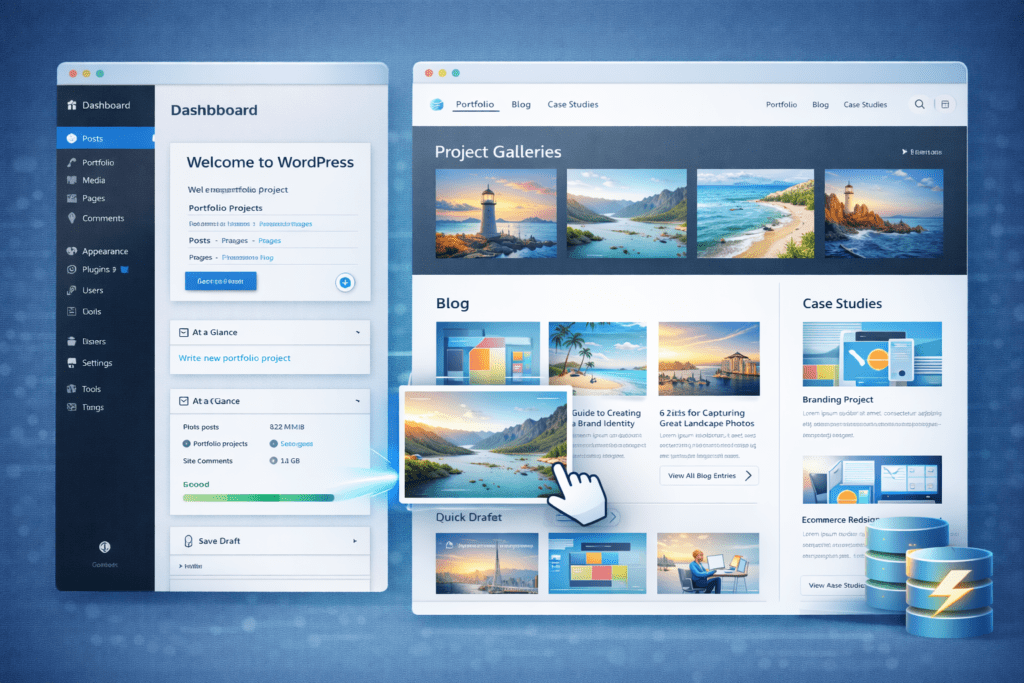
Selecting the right platform depends on how you want to present your portfolio and how much control you want over the website.
Website Builder vs WordPress
Website builders provide an easy way to build a portfolio site quickly. Tools like wix or squarespace simplify the process of building websites.
WordPress hosting offers more customization. Creators who want full control over layout and content management often choose this option.
Design Templates
Design quality plays a major role in how a portfolio is perceived.
Look for platforms that offer customizable template designs suited for creative portfolios. A well designed template helps highlight projects clearly.
Performance and Hosting Infrastructure
Fast website hosting improves loading performance, especially for portfolios that include images and videos.
Reliable hosting infrastructure ensures the portfolio site performs consistently.
Customer Support
Strong customer support can make managing a portfolio website easier.
Good support teams help resolve technical issues and assist with hosting setup when needed.
Portfolio Website SEO Tips for Creators
Search visibility is important for attracting clients and opportunities.
Several SEO practices can help improve portfolio visibility, making it essential for hosting sites to optimize their services.
• Optimize images and videos: Compressed media files improve loading speed.
• Write project case studies: Detailed descriptions help search engines understand content.
• Use structured URLs: Clear page structure improves SEO performance.
• Include relevant keywords: Keywords related to your creative work help improve search visibility.
These practices help improve the chances of your portfolio appearing in search results.
When to Upgrade Your Portfolio Hosting Platform
As a portfolio grows, the hosting platform may need to change.
Creators often upgrade their hosting when:
• Traffic increases significantly
• More portfolio projects are added
• An online store is introduced
• Additional customization features are needed
Upgrading hosting ensures the portfolio website continues performing well as it grows.
Common Mistakes When Choosing Portfolio Hosting
Some decisions can limit how effectively a portfolio website performs.
• Choosing a platform with weak template design
• Ignoring SEO features that improve visibility
• Selecting hosting platforms with slow performance
• Not considering future needs like online store support
Avoiding these mistakes helps create a more effective portfolio website.
Why Portfolio Websites Are Essential in 2026
A professional online presence has become essential for creative professionals.
Freelancers, designers, and artists often rely on their portfolio website to attract new clients or employers. A well designed digital portfolio helps present projects clearly and builds credibility.
As personal branding becomes more important, portfolio websites continue to play a major role in showcasing creative work.
FAQs About Hosting for Portfolio Websites
What is the best hosting for portfolio websites?
Platforms like wix, squarespace, and wordpress hosting providers are often considered among the best portfolio hosting websites.
Do I need web hosting for a portfolio website?
Most portfolio websites require web hosting unless you use portfolio platforms like behance or adobe portfolio.
Is WordPress good for portfolio websites?
Yes. WordPress allows creators to build highly customizable portfolio websites with themes and plugins.
What is the best portfolio website builder?
Website builders like wix and squarespace are popular because they provide easy to use tools for creating a portfolio website.
Can I create a portfolio website for free?
Yes. Some platforms provide free options for building a portfolio, though they may include branding or limited features.
Should a portfolio website include an online store?
Some creators include an online store to sell artwork, prints, or digital products directly from their portfolio.

Final Verdict: Best Hosting for Portfolio Websites
Choosing the right hosting for portfolio websites depends on your goals and how you want to present your work.
Wix provides an easy-to-use website builder that simplifies portfolio creation. Squarespace offers visually impressive templates suited for creative professionals. WordPress hosting platforms like Hostinger provide flexibility for creators who want more control.
Platforms like adobe portfolio and behance can also work well for creators who want community exposure.
Selecting the right platform helps ensure your portfolio website loads quickly, looks professional, and effectively showcases your creative work.