
Choosing web hosting is one of those decisions that feels simple at first and complicated later. Many small business owners pick the first web host they see, set it up, and move on. Over time, though, hosting starts to matter more than expected.
For small businesses in the US, web hosting affects how fast a site loads, how secure customer data is, and how reliable the website feels to visitors. A slow or unstable site doesn’t just look bad-it can quietly hurt trust and conversions.
This guide covers the best web hosting for small businesses in 2026, with a focus on beginners, startups, and local service-based companies. The goal is to help you choose a hosting solution that fits your business needs today and still works as your business grows.
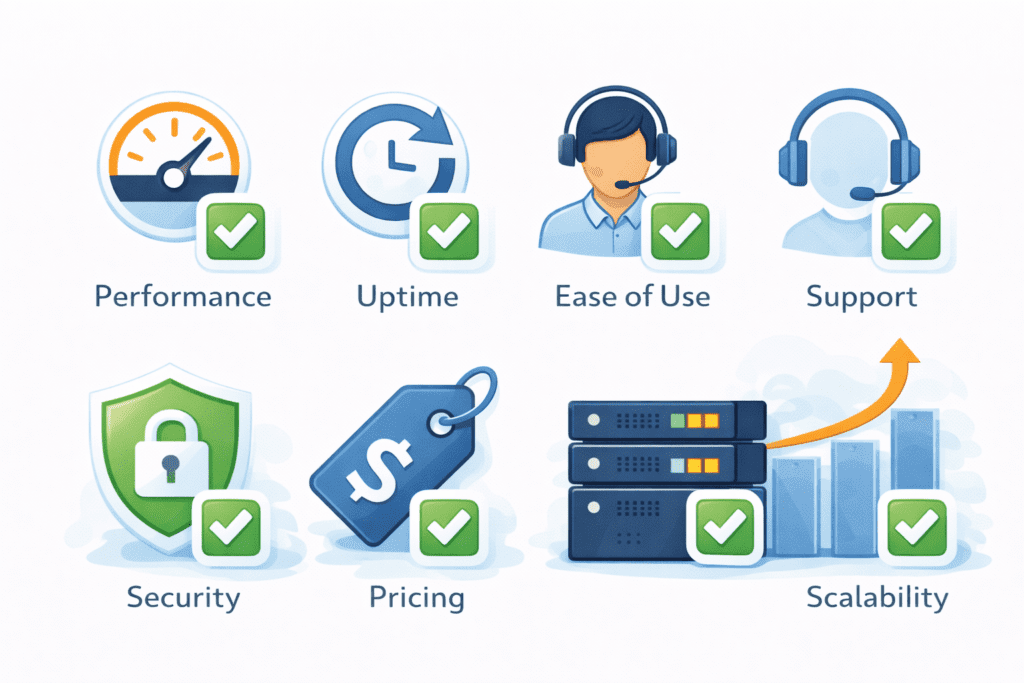
How We Chose the Best Web Hosting for Small Businesses

Not every hosting company works well for a small business. Some are built for developers, while others focus on large enterprises. This list focuses on what actually matters for small business owners in the US.
Performance and uptime were a priority. A business website needs to stay online and load quickly for US visitors. Hosting providers with reliable infrastructure and strong uptime records ranked higher.
Ease of use also mattered. Many small business owners don’t want to manage servers or complex settings. Hosting plans that include simple dashboards, website builders, and guided setup were favored.
Customer support quality was another key factor. When issues come up, responsive support makes a difference. Hosting companies that offer helpful, US-friendly support options scored better.
Pricing and long-term value were also considered. Introductory pricing looks attractive, but renewal costs and included features matter more over time.
Security and backups were essential. SSL certificates, basic security features, and backup options are important for protecting customer data and maintaining trust.
Finally, scalability played a role. A good web hosting service should support a small business as it grows, without forcing a full rebuild later.
Quick Comparison – Best Web Hosting for Small Businesses (2026)

Each web hosting provider on this list serves a slightly different type of small business.
Some options are best for beginners launching a first business website. Others work better for online stores, service-based businesses, or companies expecting steady growth.
Pricing starting points vary, but the focus here is value rather than the cheapest option. The right web host balances cost, performance, and support.
In the sections that follow, each hosting provider is broken down by strengths, weaknesses, and the type of small business it fits best.
1. Bluehost – Best Overall for Beginners
Why Bluehost Is Good for Small Businesses
Bluehost is often chosen by beginners because the setup is simple and the tools are easy to understand. For a small business starting its first website, this reduces early friction.
Key Features for US Businesses
US-based servers help with stable load times. The platform includes a free SSL certificate, email hosting, and a beginner-friendly dashboard. Many plans also bundle a domain name for the first year.
Pros
Bluehost keeps things straightforward. The interface is clean, support is available, and the hosting plan options are easy to compare.
Cons
Renewal pricing is higher than the intro rate, and advanced performance tools are limited on entry plans.
Best For
New small business owners who want a reliable starting point without technical complexity.
2. Hostinger – Best Affordable Hosting
Why Hostinger Is Budget-Friendly
Hostinger is known for low entry pricing while still offering solid features. This makes it attractive for small businesses watching costs closely.
Performance for US Websites
While Hostinger is globally focused, it performs well for US audiences with optimized servers and caching tools. For basic business sites, performance stays consistent.
Pros
Strong value for the price, modern control panel, and good speed for lightweight sites.
Cons
Customer support is mostly chat-based, and some advanced features require higher plans.
Best For
Small businesses that need a low-cost web hosting service without sacrificing stability.
3. SiteGround – Best for Speed and Support

Why SiteGround Stands Out
SiteGround focuses on performance and customer support. It’s built for business owners who want fast load times and responsive help when issues arise.
Speed and Security Features
US server locations, strong caching, daily backups, and proactive security features help protect a business website. SiteGround is also known for excellent uptime.
Pros
Fast performance, high-quality support, and strong security tools.
Cons
Higher pricing compared to budget hosts, especially after renewal.
Best For
Small businesses that value speed, reliability, and support over the lowest price.
4. A2 Hosting – Best for Fast Loading Websites
Speed-Focused Hosting Explained
A2 Hosting emphasizes speed with performance-tuned servers and optional Turbo plans. This helps improve page load times for visitors.
Server Options in the US
Multiple US server locations help reduce latency. A2 also supports various hosting types, including shared, VPS hosting, and dedicated hosting.
Pros
Strong speed focus, flexible hosting options, and developer-friendly tools.
Cons
Turbo plans cost more, and the interface can feel less beginner-focused.
Best For
Small businesses that prioritize fast loading and plan to scale performance over time.
5. DreamHost – Best for Simple Business Websites
Easy Setup for Beginners
DreamHost keeps things simple. The control panel is clean, and getting a small business website online doesn’t take long. This helps business owners who want fewer settings and less setup time.
Reliability and Uptime
DreamHost offers solid uptime and transparent policies. For US-based sites, performance is steady enough for blogs, service pages, and basic company sites.
Pros
Straightforward setup, clear pricing, and dependable hosting service.
Cons
The custom dashboard can feel unfamiliar at first, and live support options are limited.
Best For
Small businesses that want a simple, no-frills web hosting solution.
6. InMotion Hosting – Best for Growing Small Businesses

Scalability Features
InMotion Hosting is built for growth. It offers room to move from shared hosting to VPS hosting or dedicated hosting as traffic increases.
Business Tools Included
Free SSL certificates, email hosting, and backup tools make it easier to manage a business website as needs expand.
Pros
Strong scalability, helpful support, and good long-term value.
Cons
Entry-level plans are slightly more expensive than budget-focused hosts.
Best For
Small businesses that expect steady growth and want a hosting provider that can scale with them.
7. GreenGeeks – Best Eco-Friendly Hosting
Green Hosting Explained
GreenGeeks focuses on environmentally friendly hosting by offsetting energy usage. This appeals to businesses that want a greener hosting option without losing performance.
Performance for US Audiences
Despite the eco focus, performance remains solid for US visitors. The hosting environment supports stable speeds and standard security features.
Pros
Eco-friendly approach, free SSL certificate, and reliable performance.
Cons
Pricing is higher than some entry-level competitors after renewal.
Best For
Small businesses that value sustainability alongside reliable web hosting.
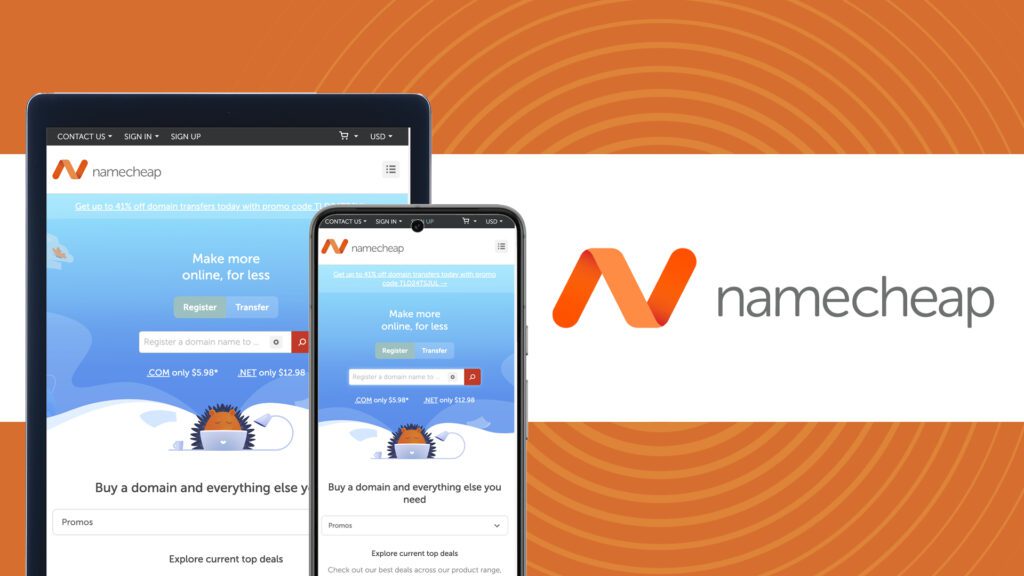
8. Namecheap – Best for Domain + Hosting Bundles
All-in-One Business Setup
Namecheap is popular for combining hosting and domain name management in one place. This simplifies setup for new business owners.
Pricing Transparency
Plans are affordable, and pricing is easy to understand. This helps businesses avoid surprise costs.
Pros
Budget-friendly plans, easy domain management, and simple hosting options.
Cons
Performance tools are basic compared to premium hosting companies.
Best For
Small businesses that want an all-in-one setup for domain and hosting.
9. Cloudways – Best Managed Cloud Hosting

What Managed Cloud Hosting Means
Cloudways offers managed cloud hosting instead of traditional shared plans. You choose a cloud provider, and Cloudways manages the server, security, and performance layer for you.
Performance for Business Websites
This setup delivers strong speed and stability for US visitors. It works well for businesses with steady traffic growth or performance-sensitive sites.
Pros
High performance, flexible scaling, and managed infrastructure.
Cons
Not beginner-friendly compared to traditional web hosts, and pricing is usage-based.
Best For
Small businesses that want cloud power without managing servers directly.
10. GoDaddy – Best for Local US Businesses
Local Business Tools
GoDaddy focuses on tools for local businesses, including domain name management, email hosting, and simple website builders.
Ease of Use
The platform is easy to navigate, which helps business owners who want everything in one place without technical setup.
Pros
Strong brand presence, beginner tools, and bundled services.
Cons
Performance is average, and pricing increases after the first term.
Best For
Local US businesses that want an all-in-one solution with minimal setup.
How to Choose the Best Web Hosting for Your Small Business

Choosing web hosting for small businesses depends on how your site is used. A service-based business usually needs reliability and support, while an online business may need stronger performance.
Traffic expectations matter. Low-traffic sites can start on shared hosting, while growing businesses may need VPS hosting or cloud hosting sooner.
Budget is also key. Intro pricing looks attractive, but renewal costs matter more over time. Always compare long-term value, not just the first year.
US server locations help with speed, and responsive support matters when issues appear. The right web host matches your business needs today and still works as your business grows.
– A site that loads reliably during weekday business hours often converts better than a faster site that goes down unexpectedly.
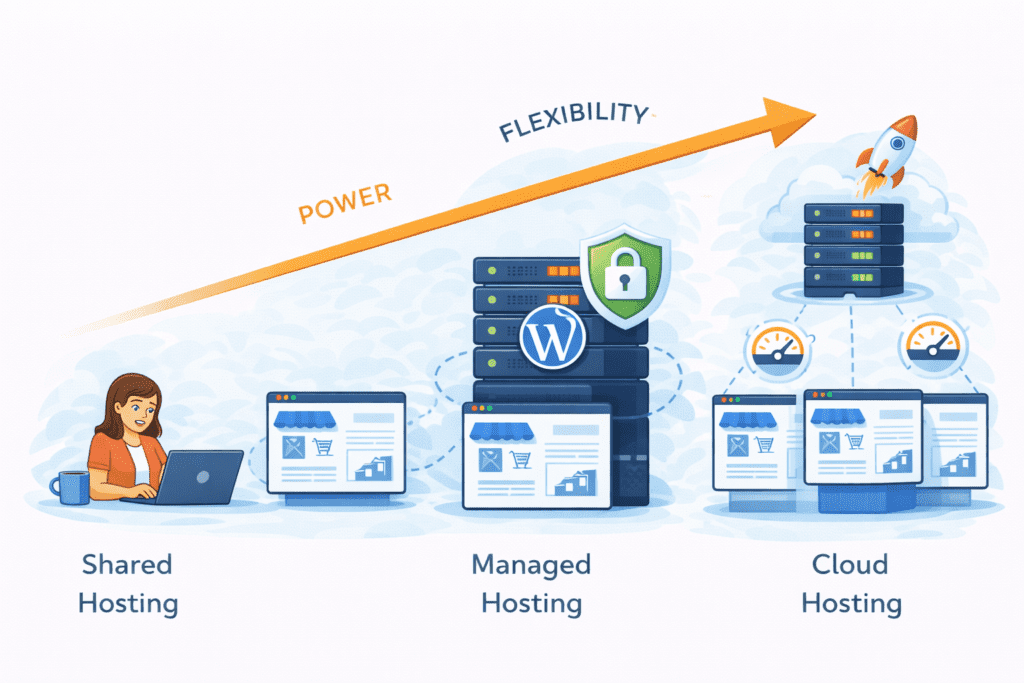
Shared hosting is the most affordable option and works well for new or low-traffic small business websites.
Managed hosting adds maintenance, security, and performance help. It’s useful when you don’t want to manage updates or backups yourself.
Cloud hosting focuses on scalability and performance. It’s best for businesses expecting growth or traffic spikes.
For most small businesses in 2026, starting simple and upgrading later is usually the safest approach.
Common Web Hosting Mistakes Small Businesses Should Avoid
Choosing based on price alone often leads to slow performance or weak support.
Ignoring support quality can cause delays when problems appear.
Overlooking security and backups puts business data at risk.
Not planning for growth forces rushed hosting changes later.
Avoiding these mistakes helps keep your business website stable.
FAQs – Best Web Hosting for Small Businesses
What is the best web hosting for small businesses in the US?
It depends on budget, traffic, and support needs. Beginners often start with shared hosting from reliable providers.
How much does small business web hosting cost in 2026?
Costs vary, but most small businesses pay between entry-level shared plans and mid-range managed options.
Yes, for many starters. Growing sites often upgrade later.
Can I switch hosting providers later?
Yes. Most businesses move hosts as needs change.
Do small businesses need managed hosting?
Not always, but it helps when time or technical skills are limited.
What is web hosting for small businesses explained and how does a web hosting service provider fit in?
Web hosting for small businesses explained: web hosting is a service that stores your website files on a web server so customers can access your small business website online. A web hosting service provider (or web host) supplies the server space, network connectivity, security patches, and often tools for website management. For small business owners, selecting a reliable hosting company that matches your business goals, budget, and web hosting needs is essential for uptime, performance and customer trust.
What are the main types of web hosting and which type of hosting suits a small business site?
The main types of web hosting include shared hosting, VPS hosting, dedicated hosting, and cloud-based web hosting. Shared hosting is cost-effective for new or low-traffic small business sites because multiple sites share resources on one server. VPS hosting gives more resources and isolation and is good as you grow. Dedicated hosting offers full server control for high-traffic or resource-intensive sites. Cloud-based hosting can scale automatically. Choosing the right web host involves matching the type of hosting to your expected traffic, technical expertise, and growth plans.
How does a domain name relate to web hosting and do I need both?
Web hosting and a domain name are separate but connected: a domain name is the human-friendly address (example.com) while website hosting is where the files live. Hosting and a domain name are both required for a live site-your web hosting service will usually let you register a domain name or point a domain you bought elsewhere to your hosting account. Understanding the difference between web hosting and a domain name helps small business owners manage DNS, email, and branding effectively.
Is managed WordPress hosting the best hosting option for WordPress small business websites?
Managed WordPress hosting is a specialized hosting plan optimized for WordPress with automatic updates, security hardening, backups, and performance tuning. For many small businesses running a WordPress site, managed WordPress hosting simplifies website management and reduces technical overhead. While it can cost more than a basic shared hosting plan, the time saved and improved reliability often make it the right web hosting choice for business owners focusing on growth rather than server administration.
Choose VPS hosting when your website outgrows the performance or security limits of a shared hosting plan-common signals include slow load times under moderate traffic, need for custom server configurations, or running resource-heavy applications. VPS hosting provides dedicated virtual resources and better isolation, making it a scalable hosting solution for small businesses with growing traffic or more demanding hosting needs.
What factors should small business owners compare when selecting the best web hosting provider?
When comparing web hosting providers for small businesses consider uptime guarantees, performance (server response time and CDN options), security features, backups, customer support responsiveness, scalability options (VPS, dedicated, cloud), and pricing transparency. Also evaluate whether the provider offers services you need-wordpress hosting, managed hosting, or email hosting-and read reviews to find the best web hosting service that aligns with your unique business needs and long-term business goals.
How do hosting services for small businesses affect website security and backups?
Hosting services for small businesses often include basic security measures like firewalls, malware scanning, SSL certificates, and automated backups. Higher-tier plans or managed hosting typically add daily backups, proactive patching, DDoS protection, and staging environments. Selecting a hosting solution that prioritizes reliable hosting and robust backups reduces risk and helps ensure quick recovery after an incident, which is critical for a small business’s reputation and continuity.
Can I change my web hosting plan or provider later if my business grows?
Yes-most web hosting companies and top web hosting providers support plan upgrades (e.g., moving from shared hosting to VPS hosting or dedicated hosting) and migrations to new hosts. When selecting a hosting provider, confirm migration assistance, costs, and the ease of scaling resources. Planning for growth by choosing a provider with options for scaling and good support simplifies the transition as your small business site expands.
What is the difference between web hosting and choosing a hosting solution that matches my business goals?
The difference between web hosting as a basic service and choosing a hosting solution is that a solution aligns hosting features with your business goals-performance for e-commerce, managed wordpress hosting for content-driven sites, or a secure VPS for client portals. Selecting the right hosting plan means evaluating traffic expectations, budget, technical resources, and long-term needs so the hosting services for small businesses you pick help you meet objectives rather than just hosting files.
How do I pick the right web host and what questions should I ask a prospective web hosting company?
To pick the right web host, define your web hosting needs first (traffic, CMS like WordPress, expected growth), then compare providers on uptime, support, security, backups, and pricing. Ask prospective web hosting companies about their uptime SLAs, backup frequency, managed services, scalability (VPS/dedicated/cloud options), migration assistance, and whether they offer a shared hosting plan or managed wordpress hosting. Also inquire about data center locations, CDN availability, and whether the host has experience supporting small business websites similar to yours.
Final Thoughts – Best Web Hosting for Small Businesses in 2026
There’s no single perfect host for every small business. The best web hosting for small businesses is the one that fits your goals, budget, and growth plans.
Start with what you need now, choose a reliable provider, and leave room to scale. When hosting supports your business instead of slowing it down, everything else gets easier.